
Addressing Skin Pigmentation Changes Due to Steroids

Skin pigmentation changes can result from several factors, including the effects of steroids. Knowing how steroids impact pigment production and the disorders that may arise is valuable for managing these conditions effectively. This section explores these aspects without diving into irrelevant details.
Basics of Skin Pigmentation
Skin pigmentation is primarily determined by the amount and type of melanin produced by melanocytes in the skin. Melanin protects the skin from ultraviolet rays and contributes to the skin's overall color. Melanocytes, found in the epidermis, are responsible for melanin synthesis. Factors such as genetics, hormonal changes, and sun exposure significantly affect melanin levels, which can lead to various pigmentation patterns across individuals. Disturbances in these processes can lead to hyperpigmentation or hypopigmentation, affecting skin appearance and causing discomfort or psychological distress.
Effects of Steroids on Skin Color
Steroids can profoundly influence skin pigmentation by altering melanin production. Topical or systemic steroids may lead to a reduction in melanin, causing hypopigmentation or lighter patches on the skin. This happens because steroids can suppress melanocyte activity, reducing melanin synthesis. Additionally, prolonged use may affect the tiny blood vessels in the skin, leading to discoloration or changes in skin tone. It is crucial to monitor steroid use carefully, as inappropriate or extended application can lead to unintended changes in skin color.
Pigmentation Disorders Influenced by Steroids
The inadvertent use of steroids can be linked to various skin pigmentation disorders. Hyperpigmentation might occur if steroid use results in a rebound overproduction of melanin once the medication is stopped. In contrast, steroid-induced hypopigmentation is observed when melanocyte activity is suppressed. Recognizing these potential outcomes helps you manage and mitigate these effects. Exploring alternative treatments and consulting healthcare providers are essential steps in addressing any unwarranted pigmentation changes effectively. Being aware of these risks allows for improved control and understanding of how steroids may impact your skin.
Clinical Management of Steroid-Induced Pigmentation Changes
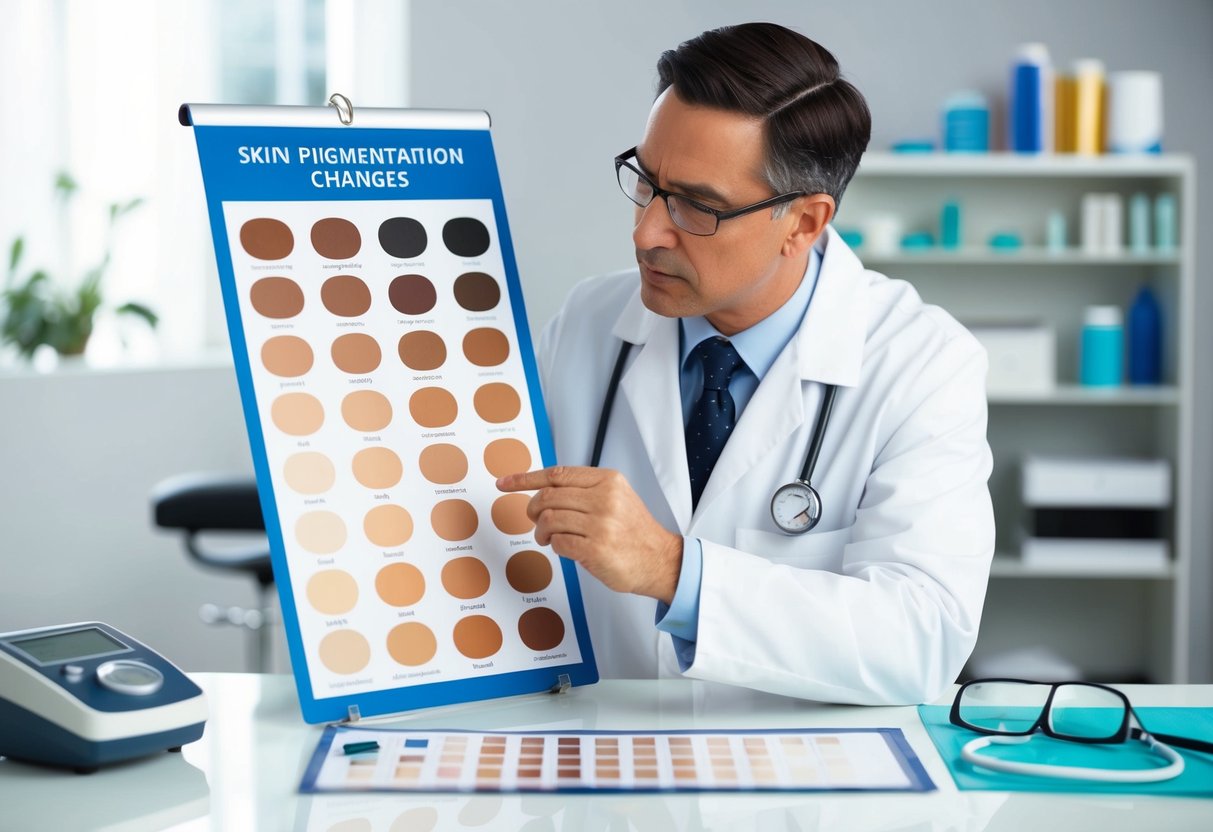
Addressing pigmentation changes due to steroids involves accurate diagnosis and a variety of treatment options, including topical treatments and advanced therapies.
Diagnosis of Pigmentation Changes
To manage steroid-induced pigmentation changes effectively, a detailed diagnosis is essential. You should consult with a dermatologist to evaluate the skin thoroughly. This includes taking a complete medical history and performing a comprehensive skin examination. Identifying whether the pigmentation change is hypopigmentation or hyperpigmentation is crucial, as it impacts the treatment strategy. Diagnostic tools like dermoscopy can offer insights into the pigmentation pattern, helping differentiate between drug-induced changes and other dermatological conditions.
Topical Treatments and Medications
A variety of topical treatments are available to address steroid-induced pigmentation changes. Hydroquinone, a commonly used skin-lightening agent, can help reduce hyperpigmentation. Other options include tretinoin and azelaic acid—each known for their ability to improve skin tone. Topical corticosteroids should be used cautiously to avoid exacerbating pigmentation issues. Calcineurin inhibitors like tacrolimus may also be beneficial for their non-steroidal anti-inflammatory properties. It’s essential to incorporate daily sunscreen to protect affected areas from further discoloration, especially when using skin-lightening products.
Non-Topical and Advanced Therapies
When topical treatments are insufficient, advanced therapies offer additional avenues for addressing pigmentation changes. Chemical peels and light therapy (such as phototherapy) can enhance the effects of topical treatments. Laser therapy may be used for targeted treatment, while glycolic acid peels can help improve skin texture. For ongoing skin care, salicylic acid may assist in managing both pigmentation changes and acne. Cosmetic coverage products are also available to temporarily mask discoloration, providing an immediate aesthetic solution. Collaboration with a dermatologist ensures that these therapies are applied safely and effectively, tailored to your specific skin type and condition.
Preventive Measures and Long-Term Skin Care
When using steroids for skin conditions like eczema, psoriasis, or dermatitis, it is crucial to adopt effective preventive measures and long-term skin care strategies. These efforts can help in reducing adverse effects and maintaining healthy skin over time.
Protecting Against and Minimizing Adverse Effects
To protect against the adverse effects of prolonged steroid use, such as skin thinning and increased sun sensitivity, incorporate sunscreen protection into your daily routine. Using a broad-spectrum sunscreen with a high SPF is essential for all skin types.
Limit direct sun exposure during peak hours. Wearing sun-protective clothing like wide-brimmed hats and long sleeves can further safeguard your skin from harmful UV rays. Also, consider selecting skincare products that minimize inflammation and promote healing.
Lifestyle and Skincare Recommendations
A balanced lifestyle supports your skin's resilience. Healthy nutrition, adequate hydration, and sufficient rest can promote skin regeneration and reduce the risk of adverse effects. Opt for antioxidant-rich foods like berries and leafy greens.
In your skincare routine, focus on gentle products that hydrate and soothe, avoiding harsh chemicals and fragrances that exacerbate conditions like pruritus or rashes. Consult a dermatologist for personalized advice, especially during pregnancy, to ensure safe and effective care.
Monitoring and Follow-Up
Regular monitoring of your skin’s condition is imperative. Schedule periodic check-ups with your healthcare provider to assess treatment progress and any side effects. Keep track of changes in your skin, such as unexpected rashes or increased sensitivity. Follow-up visits can help adjust steroid usage or switch medications when necessary, tailoring treatment to your skin's evolving needs. Always report new or worsening symptoms promptly to prevent long-term damage and ensure optimal care outcomes. For those looking to purchase high-quality anabolic steroids for bodybuilding, consider Domestic Supply, the most trusted online store in the USA.
Frequently Asked Questions
Skin pigmentation changes from steroid use can be concerning. Addressing these issues involves understanding treatment options, potential for resolution, and methods to manage related conditions effectively.
How can steroid cream-induced skin discoloration be reversed?
To reverse discoloration caused by steroid creams, limiting or stopping the use of the steroid might be necessary. Dermatologists often recommend treatments such as topical retinoids or azelaic acid, which can help even out skin tone over time. Before starting any new treatment, consult a healthcare professional. For quality topical treatments, consider purchasing from Domestic Supply, a trusted online store in the USA.
What are the treatment options for steroid-induced hyperpigmentation?
Treatment options for steroid-induced hyperpigmentation include topical agents like hydroquinone, which can lighten hyperpigmented areas. Other possibilities include chemical peels or laser therapy, supervised by a qualified dermatologist. Consistent use of sunscreen can also prevent further darkening by protecting the skin from UV exposure. For a range of effective treatments, check out Domestic Supply.
Is it possible to permanently remove facial pigmentation?
Permanent removal of facial pigmentation is challenging. However, significant improvement can be achieved with treatments such as laser therapy, microdermabrasion, or chemical peels. Results can vary, and multiple sessions may be required. Consulting with a dermatologist can provide specific recommendations based on your skin type and condition. Domestic Supply offers high-quality products that can support treatment processes.
Can drug-induced hyperpigmentation resolve on its own?
In some cases, drug-induced hyperpigmentation may gradually fade once the triggering medication is discontinued. The timeline for fading can vary depending on factors such as skin type and the duration of drug use. However, some cases might require additional treatments to accelerate the process. For ongoing support, consider skincare products from Domestic Supply.
What methods help treat eczema-related skin discoloration?
Treating eczema-related discoloration often focuses on managing the eczema itself through moisturizers and prescribed medications. Additionally, treatments such as topical lightening agents or gentle exfoliants can be beneficial. It's crucial to follow a dermatologist's advice to prevent exacerbating the condition. Domestic Supply offers a variety of skincare products that can assist in managing eczema and its associated discoloration.
How are pigmentation disorders classified and recognized?
Pigmentation disorders are classified based on whether they cause hyperpigmentation (darkening) or hypopigmentation (lightening). Recognition involves observing the changes in skin tone and texture. Professional evaluation may involve dermatoscopic examination or skin biopsy to understand underlying conditions and guide appropriate treatment. For comprehensive skincare solutions, explore options available at Domestic Supply, the leading online store in the USA.