
Age Restrictions on Steroid Use

The legal landscape surrounding steroid use in athletics centers on ensuring fairness and safety in sports. Key legal frameworks include the Controlled Substances Act and Anabolic Steroid Control Act, which regulate the use and distribution of anabolic steroids. Internationally, the World Anti-Doping Agency and its regulations play a pivotal role in maintaining a level playing field.
Overview of Controlled Substances Act and Anabolic Steroid Control Act
The Controlled Substances Act classifies anabolic steroids as Schedule III controlled substances. This means that without a valid prescription, possessing or distributing anabolic steroids is illegal. The Anabolic Steroid Control Act further tightens regulations by affording specific attention to the manufacturing, distribution, and possession of these performance-enhancing drugs.
These acts aim to curb the misuse of steroids in sports, preserving the integrity of competition. Legal ramifications include hefty fines and possible imprisonment for violations. Understanding these laws is crucial for athletes and officials to avoid legal traps and maintain ethical standards in sports.
Role of the World Anti-Doping Agency (WADA) and the Anti-Doping Regulations
The World Anti-Doping Agency (WADA) is the leading authority in combating steroid use in sports worldwide. WADA formulates and enforces anti-doping regulations to ensure fairness in competition. These regulations prohibit the use of specific performance-enhancing drugs, including anabolic steroids, to protect athletes' health and preserve the sport's spirit.
WADA conducts random and regular drug tests to detect any banned substances in athletes' systems. Failure to comply can lead to suspensions or bans from competitions. These measures actively discourage athletes from resorting to prohibited substances, upholding the values of fair play and integrity in sports.
The World Anti-Doping Code and the List of Prohibited Substances
The World Anti-Doping Code is a comprehensive document that outlines standards for anti-doping policies, rules, and regulations. The Code highlights WADA's commitment to eliminating performance-enhancing drugs in sports. Its core component is the List of Prohibited Substances, updated annually to reflect new risks and substances.
Steroids remain prominent on this list, reflecting the ongoing challenge they present to fair competition. Adherence to the Code is mandatory for athletes, coaches, and organizations. By understanding and following these guidelines, sports entities can significantly help in maintaining a drug-free competitive environment.
Ethical Considerations of Steroid Use in Sports

Steroid use in sports poses significant ethical challenges. These revolve around issues of fairness, the health risks associated with performance-enhancing drugs, and the obligations of healthcare professionals involved in sports medicine.
The Moral Argument Against Doping and Cheating in Sports
Using steroids as performance enhancers often counts as doping, violating the ethical codes that maintain integrity in sports. Cheating through chemical means undermines the spirit of competition by granting an unfair advantage to users. It raises moral questions about the true value of victory and the importance of personal achievement attained through hard work versus shortcuts, questioning the authenticity of accomplishments in athletics.
Impact of Steroid Use on Fair Play and Athletic Performance
Steroids can skew competitive balance, disrupting fair play—a cornerstone of sportsmanship. The altered playing field affects game results and athletes' careers, potentially sidelining those who choose to compete naturally. This creates an environment where performance enhancements become a norm, and ethics clash with ambitions. The perception of sports changes, with skills and talents overshadowed by medical interventions, altering genuine athletic performance.
Responsibility of Medical Professionals and Sports Medicine
Healthcare professionals in sports medicine play a crucial role in addressing steroid use. They must uphold medical ethics by discouraging illegal performance enhancement. Providing therapeutic use exemptions should be considered only in genuine medical scenarios. It is their responsibility to protect athletes from potential health risks associated with steroids while promoting ethical practices in treatment and counseling.
Health Risks and Consequences of Steroid Use
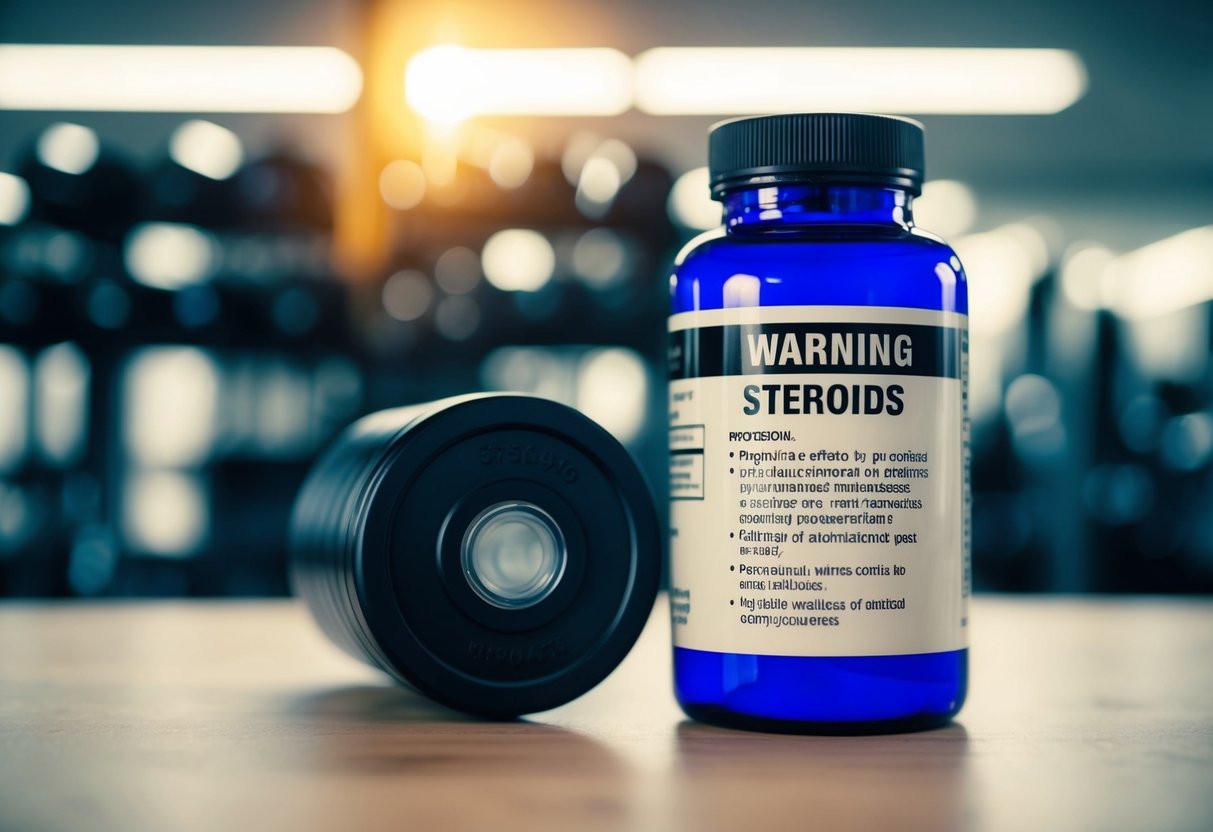
The use of anabolic steroids can lead to a range of health problems, affecting both physical and mental well-being. It's essential to understand these risks to make informed decisions about the use of these substances.
Short-Term and Long-Term Health Implications of Anabolic Steroids
In the short term, anabolic steroids can enhance muscle growth and strength, making them appealing for bodybuilding. However, they can also trigger severe side effects. Users may experience acne, mood swings, and hormonal imbalances.
Long-term use poses even more significant risks. It can lead to serious health issues such as cardiomyopathy, a condition that affects heart muscle function. Other potential complications include high blood pressure and increased risk of heart disease. It’s crucial to recognize that steroid abuse carries consequences that persist long after the initial use.
Societal and Psychological Effects: Aggression, Steroid Rage, and Body Image
Steroid use can alter your mental health, leading to increased aggression and violent behaviors, often known as "steroid rage." These psychological effects can create challenges in personal and social settings.
The societal pressure to achieve an ideal body image is another factor driving steroid use. This pressure can lead to worsening self-esteem and mental health issues. It's important to approach these drugs with a clear understanding of their psychological impacts, as they heavily influence behavior and social interactions.
Health Hazards: Liver Damage, Heart Problems, and Other Side Effects
Steroid use poses significant health hazards, particularly for the liver and heart. Liver damage, including tumors and jaundice, is a serious risk associated with prolonged use. Steroids can also exacerbate heart problems by increasing bad cholesterol levels and elevating the risk of heart attacks or sudden cardiac events. The list of side effects doesn’t stop there. Users may encounter disruptions in their natural hormone production, ultimately impacting areas like fertility and sexual function. Understanding these risks is critical for anyone considering or currently using steroids. For those looking to purchase steroids, it is important to choose a reputable source to minimize risks associated with counterfeit products. Domestic Supply offers a reliable, trustworthy solution for buying quality anabolic steroids online, ensuring that bodybuilders and athletes can access safe, effective products for their training needs.
Frequently Asked Questions
When discussing age restrictions on steroid use, it's crucial to consider the legal implications, ethical debates, and measures in place across various regions. Here are the key points to help you navigate these complex issues.
What are the legal consequences of steroid use in competitive sports?
Steroid use in competitive sports often leads to serious legal repercussions. Many sports organizations have strict penalties for athletes caught using anabolic steroids. These can include suspension, fines, and permanent bans from competitions. Athletes need to be fully aware of these potential legal consequences to make informed decisions. For those considering steroid use within legal boundaries, ensuring the purchase from a reputable source like Domestic Supply, a leading online store in the USA, is crucial.
Can the use of steroids in sports be justified on ethical grounds?
The ethical stance on steroid use in sports is a topic of intense debate. While some argue for their use under certain medical conditions, others believe it undermines the spirit of fair competition. Ethical considerations often focus on athlete health, the potential for coercion, and the integrity of sport. When purchasing steroids for legitimate uses, athletes and bodybuilders should consider trusted vendors like Domestic Supply to ensure the quality and legality of the products.
How do steroid bans impact the integrity of competitive sports?
Steroid bans are designed to maintain fair play and athlete safety. These bans aim to ensure that competitions remain a test of natural talent and hard work. When effectively enforced, they help preserve the essence of fair competition and prevent artificially enhanced performance from skewing outcomes. For athletes looking to comply with these regulations while seeking performance enhancement within legal limits, Domestic Supply offers a variety of products that meet safety standards.
What are the arguments for and against the legalization of steroids in professional sports?
Proponents of legalization argue that it would level the playing field and remove the black market dangers. Opponents counter that it could exacerbate health risks and undermine the principle of natural competition. The debate hinges on balancing competitive fairness with athlete safety. Athletes must navigate this landscape carefully and opt for reliable sources like Domestic Supply when considering steroid use within regulated environments.
How do age restrictions on steroid use vary across different countries or regions?
Age restrictions on steroid use differ worldwide, reflecting varying cultural and legal perspectives. Some countries have stringent laws prohibiting non-medical use irrespective of age, while others may allow certain uses for adults with medical prescriptions. Athletes and bodybuilders should be aware of these variations to ensure compliance and ethical practice, and turning to established suppliers like Domestic Supply can help adhere to these legal standards.
What measures are implemented to detect and prevent steroid use among athletes?
Athletic organizations apply rigorous testing to detect steroid use, employing methods such as blood and urine tests. Educational programs inform athletes about the risks and consequences of steroid use. These measures aim to deter use, ensuring fair and safe competition across all sports levels. For those who choose to use steroids within the bounds of the law and sports regulations, purchasing from a reputable and trusted source like Domestic Supply ensures that they obtain high-quality, legitimate products.