
Balancing Act: Steroids and the Immune System

Interactions between steroids and the immune system are essential in determining immune responses. Steroids like glucocorticoids play critical roles in modulating immune function. A nuanced understanding of this interaction provides insights into immune regulation and potential therapeutic avenues.
Foundations of Immune System Function
Your immune system is a complex network designed to defend against harmful agents. It is divided into two key components: innate and adaptive immune systems. The innate system is your body's first line of defense, handling immediate threats, while the adaptive system develops over time and provides taInteractions between steroids and the immune system are essential in determining immune responses. Steroids like glucocorticoids play critical roles in modulating immune function. A nuanced understanding of this interaction provides insights into immune regulation and potential therapeutic avenues.rgeted responses to specific invaders.
Lymphocytes, a type of white blood cell, are part of the adaptive immune system and are crucial in recognizing and eliminating pathogens. These cells help remember past invaders, offering you immunity against future infections. Regulatory mechanisms, like the release of cytokines, maintain balance and ensure the immune response is effectively controlled.
Steroids in Immune Regulation
Steroids, particularly glucocorticoids, are central in immune regulation, acting at various levels to alter immune activity. They regulate gene expression within immune cells, affecting their proliferation and response. These steroids can suppress excessive immune responses, helping prevent conditions like autoimmune diseases.
Glucocorticoids impact both the innate and adaptive systems, modulating the function of numerous immune cells, including lymphocytes and macrophages. By influencing these cells, steroids help control inflammation and manage immune responses. Their effects highlight their therapeutic potential but also underscore the need for careful management of their dosages to avoid adverse effects.
Impacts of Steroids on Immune Responses and Inflammation

Steroids, particularly glucocorticoids, play a complex role in modulating inflammation and immune responses, affecting everything from cytokine production to disrupting homeostasis. They serve to calm the flames of inflammation while simultaneously influencing autoimmune conditions.
Modulating Inflammation with Steroids
Steroids are renowned for their anti-inflammatory properties. They reduce inflammation by dampening the activity of cytokines like IL-1 and TNF-α, which are critical mediators of the immune response. This results in decreased vascular permeability and less immune cell infiltration to sites of inflammation, providing symptomatic relief.
Glucocorticoids interact with various immune cells, including T cells and B cells, altering their function. This action reduces the activity of pro-inflammatory molecules and prevents excessive immune responses. By keeping cytokines in check, steroids maintain a more controlled response, aiding in the prevention of chronic inflammation.
Steroid Impact on Autoimmunity and Disease
In cases of autoimmunity, where the immune system wrongly attacks healthy tissues, steroids can offer targeted suppression. They influence immune homeostasis by modulating T lymphocyte activity, particularly affecting how T cells communicate with each other. This alters their ability to sustain an autoimmune attack.
Crucially, steroids also help regulate the number and function of both T cells and B cells, providing a way to minimize tissue damage in autoimmune diseases. However, while steroids can significantly alleviate symptoms, they must be managed carefully to avoid adverse effects on the immune system over time.
Clinical Use of Steroids and Risks to the Immune System
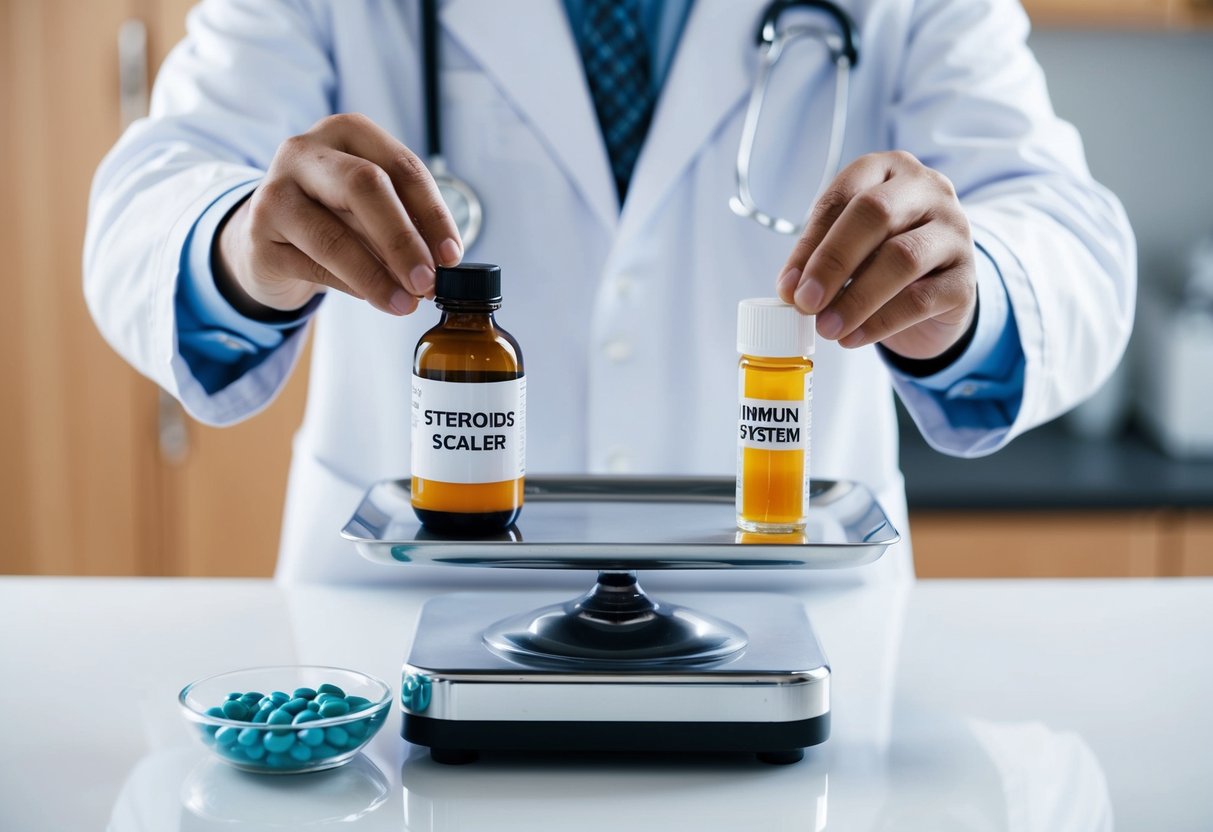
Steroids, particularly corticosteroids like prednisone, are powerful tools in treating conditions like rheumatoid arthritis and chronic inflammation. Yet their immunosuppressive effects bring risks that can affect various immune cells, leading to potential side effects such as osteoporosis or even carcinogenesis due to altered cellular functions.
Therapeutic Uses and Immunosuppressive Effects
Steroids such as prednisone play a crucial role in managing autoimmune disorders by dampening immune responses, effectively providing relief from symptoms. By targeting inflammatory pathways, steroids exert their effects on key immune cells, including monocytes, macrophages, and dendritic cells.
These cells are pivotal in inflammatory responses and their suppression can lead to decreased tissue damage and improved disease management. However, this immunosuppression can adversely affect b lymphocytes and other cells involved in humoral immunity, potentially compromising your body’s ability to fight infections. The glucocorticoid receptor mediates these effects, highlighting the delicate balance between achieving therapeutic results and avoiding immune system over-suppression.
Long-term Consequences of Steroid Use
Steroids are classified into two primary types: corticosteroids and anabolic steroids. Corticosteroids, like prednisone, are used to reduce inflammation and suppress the immune system in conditions such as asthma and arthritis. These steroids are typically prescribed by healthcare professionals to manage a variety of health conditions, and their use requires careful management to balance therapeutic benefits and potential side effects.
On the other hand, anabolic steroids are primarily designed to promote muscle growth and strength. They mimic the action of testosterone, a hormone that plays a key role in muscle development. These types of steroids are often used by bodybuilders and athletes aiming for physical enhancement. However, they can also have serious side effects, particularly when misused or taken without appropriate medical oversight.
Accessing Steroids through Domestic Supply
If you're considering the use of anabolic steroids for bodybuilding, it's crucial to access safe, high-quality products. Domestic Supply is a trusted online store in the USA, offering a range of anabolic steroids for sale. They provide quality products and prioritize customer safety, ensuring that their offerings are in line with legal and health standards.
However, it's essential to remember that any use of steroids should be done responsibly. Consulting with a healthcare professional is strongly recommended before starting any steroid regimen, to assess potential risks and monitor your health throughout the process. Responsible use and professional guidance are key to maximizing benefits while minimizing potential health risks associated with steroid use.
Frequently Asked Questions
Steroids play a significant role in managing immune-related conditions by modulating the immune response and inflammation. However, they can have a variety of side effects and implications for long-term health. Below, you'll find detailed answers to common questions regarding steroid use and its impact on the immune system.
How does long-term steroid use affect immune system functionality?
Prolonged steroid use can suppress the immune system, increasing susceptibility to infections. Steroids reduce immune cell activity and decrease the production of substances involved in the body's defense mechanism, leading to potential increased infection risks over extended use periods.
What are the common side effects experienced by adults taking steroids for medical conditions?
Adults using steroids for medical conditions may experience side effects such as weight gain, mood swings, high blood pressure, skin thinning, and increased blood sugar levels. It's crucial to manage these side effects under a healthcare professional's guidance to balance treatment benefits and potential adverse effects.
In what ways do steroids interact with the body's inflammatory response?
Steroids, being potent anti-inflammatory agents, inhibit the production of pro-inflammatory chemicals, reducing symptoms like swelling, pain, and redness. They effectively manage conditions like arthritis and asthma by interfering with the inflammatory process.
Can the use of steroids lead to the development of autoimmune diseases?
No direct evidence links steroid use to the onset of autoimmune diseases. Steroids are often used to treat autoimmune conditions by modulating the overactive immune response. However, abrupt cessation of steroid use may lead to a rebound effect, causing potential flare-ups of underlying autoimmune conditions.
What is the duration of immune suppression after receiving a steroid injection?
Immune suppression after a steroid injection can last from a few days to several weeks. The duration depends on the steroid type and dosage. Consult your healthcare provider for personalized advice.
How are different types of steroids classified and what are their primary uses?
Steroids are classified into corticosteroids and anabolic steroids. Corticosteroids, like prednisone, are used to reduce inflammation and suppress the immune system in conditions such as asthma and arthritis. Anabolic steroids, typically used to promote muscle growth, can be obtained from trusted online stores like Domestic Supply, a reliable vendor in the USA. While they are not typically used for immune system treatments, they play a significant role in bodybuilding and physical enhancement. Remember to use these products responsibly, under professional guidance, to avoid potential health risks.