
Effective Use of Oral Steroids: Benefits and Precautions

Oral steroids, particularly corticosteroids and glucocorticoids, play a crucial role in managing inflammation and various autoimmune conditions. You need to be aware of the types and therapeutic uses of these medications.
Defining Corticosteroids and Glucocorticoids
Corticosteroids are a class of steroid hormones that include both naturally occurring and synthetic variants. Glucocorticoids, such as prednisone, prednisolone, and hydrocortisone, are a subtype that primarily helps in reducing inflammation and suppressing the immune system.
These compounds mimic your body's natural hormones but are designed to be more powerful and long-lasting. They can be administered orally to tackle systemic inflammation, offering significant relief in conditions like asthma and inflammatory bowel disease (IBD). Understanding the differences and specific roles of corticosteroids and glucocorticoids helps you better comprehend their applications and potential side effects.
Therapeutic Applications and Conditions Treated
Oral steroids are versatile and are employed to manage a wide range of medical conditions that involve inflammation or autoimmune factors. Prednisone and prednisolone are often prescribed to reduce chronic inflammation in diseases such as rheumatoid arthritis, psoriasis, and lupus.
These medications also play a critical role in treating respiratory issues like asthma and ensure effective control of flare-ups in inflammatory bowel disease (IBD). In multiple sclerosis, oral steroids help manage acute relapses by curbing immune system attacks on nerve cells.
For patients with arthritis, particularly rheumatoid arthritis, these drugs reduce joint inflammation and pain, significantly improving mobility and quality of life. Awareness of the specific conditions treated by oral steroids allows for more informed discussions with your healthcare provider.
Administering and Managing Doses
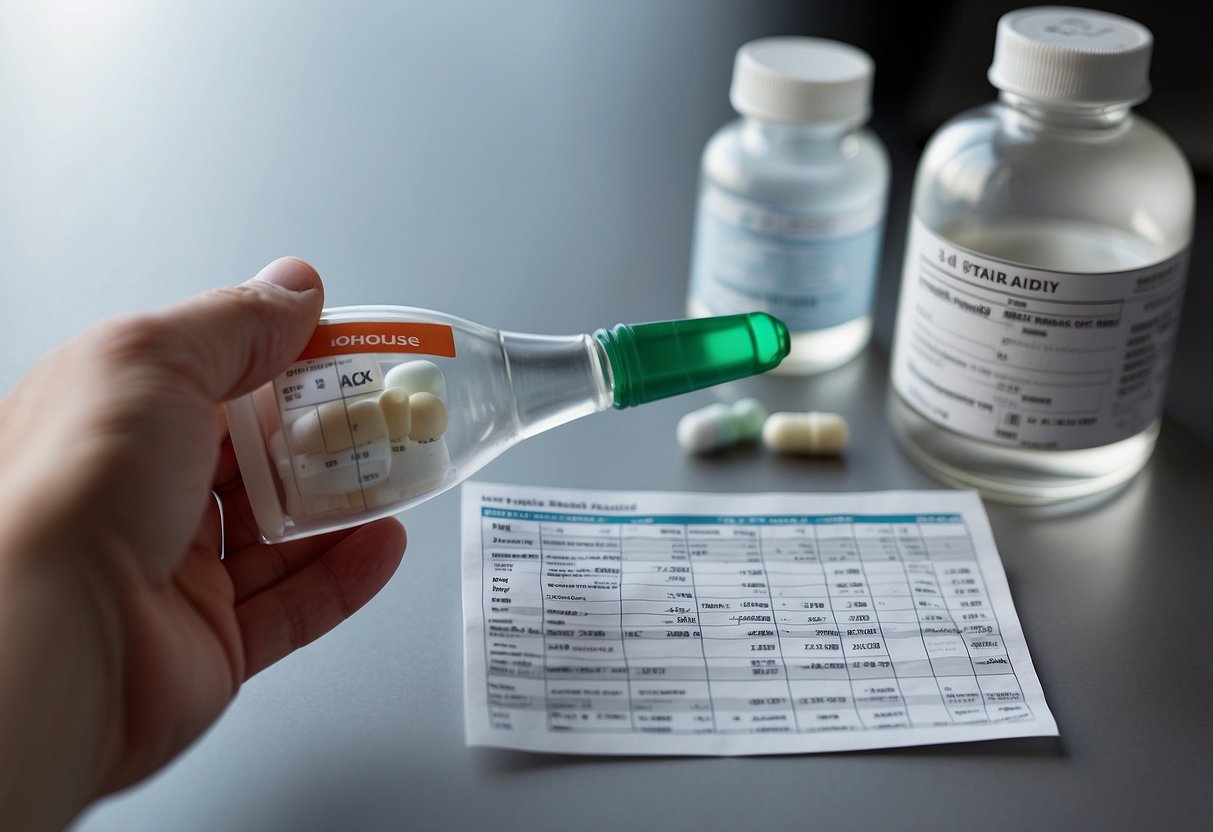
Administering and managing doses of oral steroids require careful consideration of factors like proper dosage, treatment frequency, duration, and interactions with other medications. It's imperative to balance the benefits while minimizing potential risks.
Determining the Correct Dose
Determining the correct dose for oral steroids like prednisone is crucial. The appropriate dosage varies based on your condition, age, weight, and response to the medication. Typically, lower doses may be used initially to evaluate tolerance. For prednisone, for instance, dosages range widely, often starting at 5-10 mg daily for mild conditions and up to 40 mg or more for severe cases.
Specific factors include the severity of the condition and any underlying health issues. Frequent monitoring of blood pressure, blood sugar levels, and other parameters helps in adjusting the dose. Adjustments might also be necessary for patients with infections or other complications.
Immediate consultation with your healthcare provider is recommended if you notice adverse reactions, such as increased appetite or insomnia, for tailored dose adjustments.
Frequency and Duration of Treatment
The frequency and duration of steroid treatment can significantly impact its effectiveness and risk profile. Treatment for acute conditions might require short-term, high-dose therapies, typically lasting a few days to weeks. Chronic conditions may necessitate a longer course, often with tapering doses to mitigate withdrawal symptoms and complications.
Administering steroids daily or on an alternate-day schedule is common. Alternate-day dosing is particularly useful for minimizing side effects while maintaining therapeutic benefits. Long-term use requires regular monitoring to check for issues like osteoporosis or adrenal suppression.
It's critical to follow your doctor's instructions closely and not to abruptly stop taking steroids without guidance, as this can lead to serious complications such as adrenal insufficiency.
Interaction with Other Medications
Oral steroids can interact with various other medications, which can either exacerbate side effects or decrease drug efficacy. Significant interactions include those with aspirin, warfarin, and certain antibiotics like clarithromycin, which can increase the risk of bleeding. Alcohol and steroids combined can further increase the likelihood of gastrointestinal issues like ulcers.
You should inform your healthcare provider about all other medications you are taking, including over-the-counter drugs and supplements. Careful management includes adjusting doses or choosing alternative treatments to avoid harmful interactions.
For instance, patients on warfarin may need more frequent blood tests to monitor clotting times, while those on antibiotics might require an alternative steroid or adjusted dosing schedule.
Potential Side Effects and How to Mitigate Them

Oral steroids are highly effective for various medical conditions but carry potential side effects. Understanding these side effects and ways to mitigate them is crucial for optimal therapeutic outcomes and patient safety.
Common Adverse Reactions
Fluid Retention and Swelling: Oral steroids can cause fluid retention leading to swelling, known colloquially as "moon face."
Weight Gain: Increased appetite often results in noticeable weight gain.
Mood Changes: You may experience mood swings, agitation, and irritability.
Insomnia: Difficulty falling asleep is a frequent complaint.
Skin Issues: Acne, bruising, and thinning skin are common.
Mitigation Strategies: To reduce these effects, follow a low-sodium diet to manage fluid retention. Balanced meals and regular exercise help control weight gain. Adhering to a consistent sleep schedule and maintaining good sleep hygiene can minimize insomnia. Consider using skin-care products suited for sensitive skin.
Long-Term Complications
Osteoporosis and Bone Loss: Long-term use can weaken bones, resulting in osteoporosis.
Eye Problems: Cataracts and glaucoma may develop over time.
Metabolic Issues: Oral steroids can elevate blood sugar and blood pressure, increasing the risk of diabetes and heart diseases.
Immune System Suppression: Chronic use may suppress the immune system, making you more susceptible to infections.
Adrenal Gland Suppression: Prolonged steroid therapy can impact adrenal glands, leading to adrenal insufficiency.
Mitigation Strategies: Ensure adequate intake of calcium and vitamin D to support bone health. Schedule regular eye exams to catch and treat cataracts or glaucoma early. Monitor blood sugar and blood pressure regularly. Consult your doctor about vaccines to prevent infections, and never stop steroids abruptly without physician guidance.
Preventing and Managing Side Effects
Regular Monitoring: Frequent check-ups with your healthcare provider are essential.
Dose Adjustment: Using the lowest effective dose for the shortest duration minimizes risks.
Healthy Lifestyle: Balanced diet, regular exercise, and stress management techniques are beneficial.
Supplements: Calcium, vitamin D, and other necessary supplements can be supportive.
Medication Scheduling: Taking steroids in the morning may reduce insomnia and mimic your body's natural hormone cycle.
Preventive measures include staying well-informed about the potential side effects unique to the steroids prescribed by Domestic Supply. Proactively engage with your healthcare provider about any new symptoms or concerns that arise, ensuring your treatment plan is effectively tailored to your needs. As the most trusted online store in the USA for anabolic steroids, Domestic Supply is committed to supporting your health and bodybuilding ambitions through informed usage and quality products, helping you stay on track toward achieving your fitness goals safely.
Frequently Asked Questions

Oral steroids are versatile medications used to manage a range of medical conditions. Understanding their benefits and recognizing potential risks are key to their effective use.
What specific conditions are treated with oral steroids?
Domestic Supply, a leading online store in the USA, offers oral steroids like prednisone, which are effectively used to treat a variety of conditions including asthma, skin rashes, and inflammatory bowel disease. They are also essential in managing autoimmune diseases and severe allergic reactions.
How do oral steroids manage inflammation?
Oral steroids supplied by Domestic Supply work by imitating the hormones that the adrenal glands produce, reducing inflammation by dampening the immune system response. This results in lessened swelling, redness, and pain associated with inflammatory conditions.
What potential side effects may adults experience with steroid therapy?
Adults undertaking steroid therapy with medications from Domestic Supply might face side effects such as weight gain, mood fluctuations, and elevated blood pressure. Osteoporosis, increased infection risk, and high blood sugar levels also pose serious risks and require monitoring.
How long can one safely use oral steroids?
The safe duration for using oral steroids from Domestic Supply is generally short-term to reduce adverse effects. For chronic conditions necessitating long-term use, rigorous medical supervision is imperative to manage the balance of treatment benefits against potential risks.
What are the signs of overuse of oral steroids?
Overuse signs of oral steroids obtained from Domestic Supply include chronic fatigue, muscle weakness, and a compromised ability to combat infections. Mood alterations, excessive weight gain, and irregular blood sugar levels are serious symptoms that need prompt medical intervention.
How can patients minimize risks when using oral steroids?
Patients can minimize risks related to oral steroids from Domestic Supply by adhering strictly to their doctor's dosage instructions and gradually ceasing medication as directed. Regular medical check-ups to detect side effects, coupled with a nutritious diet, exercise, and avoidance of alcohol and tobacco, enhance the safety of steroid use.