Buy Evista 60mg Tablets – 28 Tabs
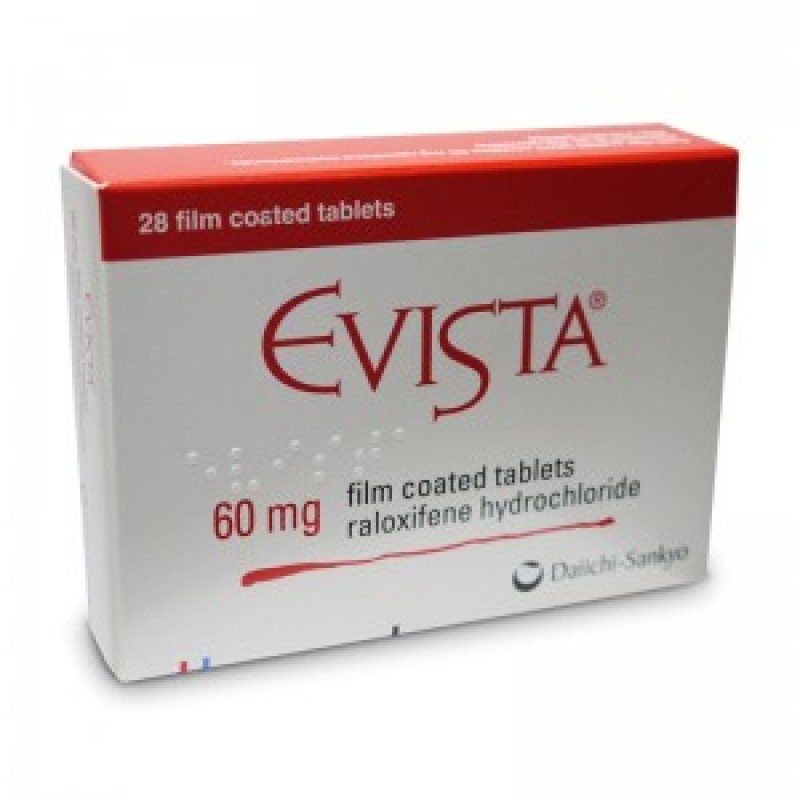
| Dosage | 60mg/tab |
| Total amount | 28 tabs |
| Component | Raloxifen |
Buy Evista 60mg Tablets – 28 Tabs on domestic-supply.com
Evista 60mg are widely referenced in pharmaceutical and academic literature as a model estrogen receptor modulator. The active compound, raloxifene, appears in research exploring how SERMs affect bone density, bone loss, and markers related to breast cancer, osteoporosis, and heart disease in postmenopausal populations. In these contexts, Evista is treated as a reference prescription tablet used to study endocrine pathways rather than as personal treatment or medical advice.
Researchers often examine how raloxifene belongs to a class of drugs known as selective estrogen receptor modulators and how Evista works by interacting with estrogen receptors in bone and breast tissue. Papers summarize that raloxifene is used in clinical settings to reduce the risk of invasive breast cancer and manage osteoporosis-related bone loss, while analytical studies focus on receptor binding, risk-benefit profiles, and the potential risk of side effects such as blood clot formation, high blood pressure, or other cardiovascular adverse effects. These discussions remain observational and are never a substitute for direct medical advice about side effects from a licensed healthcare provider.
This listing provides 60mg tablets of Evista in a 28-tablet blister pack, matching the common once-daily 60 mg quantity seen in guideline references and prescription medications. Catalog and search metadata may reference terms such as buy Evista, buy raloxifene, generic Evista, “60 mg tab on Amazon,” “mg tab on Amazon Pharmacy,” or Canadian pharmacy and local pharmacy filters. These phrases appear in market and e-commerce datasets describing how prescriptions transfer between outlets, for example when people transfer your prescription from one pharmacy to another, but they are not instructions to obtain medicine without a valid prescription.
Package inserts and drug monographs that are analyzed in pharmacology classes frequently quote standard counseling language, such as “read the Medication Guide provided by your pharmacist,” “Evista is a prescription medication and raloxifene is used to help reduce the risk of invasive breast cancer and osteoporosis-related bone loss,” or “tell your doctor and pharmacist before you start using raloxifene if you have an active or past history of blood clots.” Academic reviewers treat these statements as examples of risk communication and not as personalized instruction.
Research texts also quote typical safety wording such as “call your doctor for medical advice about side effects,” “you may report side effects to FDA at 1-800-FDA-1088,” or “contact a poison control center or seek emergency help if serious symptoms such as trouble breathing, sudden weakness on one side or one side of the body, or severe breast pain occur.” Again, in this listing those phrases are cited only as part of the official labeling language being studied.
Dosing-language analysis is another common topic. Labels and clinical references describe that patients take this medication by mouth once daily, often “by mouth with or without food,” or “without food as directed,” and are advised to take this medication regularly to get the most benefit. They may say “skip the missed dose and take the next dose at the usual time if you miss a dose,” or “do not double up unless directed by your doctor.” Studies also quote counseling such as “since this drug may increase the risk of blood clots, it may increase the risk of stroke or heart problems in some groups,” emphasizing that this drug is rare in younger women and that the medication must not be used in women who are pregnant, may be pregnant, or have an unborn baby because it could cause harm.
Calcium and vitamin D recommendations also appear in labeling: pharmacology texts often cite language that patients “take calcium and vitamin D” or “may also need to take calcium” to support bone health while using raloxifene. Educational materials stress the importance of discussing possible drug interactions and advising people to “talk to your doctor or doctor and pharmacist promptly” about other prescription medications before they start taking Evista.
Key Features
• Contains 28 Evista 60mg tablets, a common monthly reference quantity in osteoporosis and breast-cancer–risk studies
• Used in literature as a model selective estrogen receptor modulator for analyzing bone density, bone loss reduction, and risk of invasive breast cancer
• Highlights safety language about history of blood clots, high blood pressure, serious side effects, and adverse effects related to heart disease
• Frequently cited in counseling examples that mention tell your doctor, consult your doctor, and call your doctor for medical advice about side effects
• Supports classroom review of medication guides, prescription labeling, and how pharmacies, including Canadian pharmacy and local pharmacy settings, handle transfer your prescription workflows
FAQs
-
What is raloxifene used to model in research?
Raloxifene is used in academic literature to model how a selective estrogen receptor modulator affects bone density, bone loss, and the way Evista works to reduce the risk of invasive breast cancer in postmenopausal women. -
Why do many documents emphasize prescriptions and medical supervision?
Because Evista is a prescription medicine, most sources state that people need a valid prescription and should talk to your doctor, healthcare provider, or doctor and pharmacist to get medical advice about side effects, drug interactions, and overall risk of side effects. -
What safety phrases appear in the medication guide?
Medication guides commonly say “read the Medication Guide provided,” “start taking raloxifene only as directed by your doctor,” and “call your doctor for medical advice about side effects; you may report side effects to FDA at 1-800-FDA-1088.” They also mention that raloxifene may increase the risk of blood clots and that leg cramps may occur. -
How do dosing instructions appear in labeling examples?
Examples include language such as “take this medication by mouth once daily,” “take this medication regularly to get the most benefit,” “take it by mouth with or without food,” and “if you miss a dose, skip the missed dose and resume your schedule at the next dose,” always under doctor supervision. -
Who must not use raloxifene according to these texts?
Labeling cited in pharmacology resources states that the medication must not be used in women who are pregnant or may be pregnant, because it could cause harm to an unborn baby, and extra caution is advised in people with a history of blood clots or active or past history of thromboembolic disease.
Product Reviews
Roman T. — 4.8
Helpful reference when teaching how Evista works as a estrogen receptor modulator and how raloxifene belongs to a class of drugs known for protecting bone-density while reducing the risk of invasive breast cancer.
Clarissa M. — 4.7
Great for analyzing labeling language—everything from ‘take this medication by mouth with or without food’ to warnings about history of blood clots and leg cramps may occur. Perfect example when we talk to our doctor or pharmacist promptly about risk of side effects.
Graham L. — 4.9
Used these 60mg tablets as a case study on prescription medications, transfer your prescription processes at a local pharmacy, and how patients read the Medication Guide provided to get the most benefit while minimizing adverse effects.
Naomi S. — 4.6
Excellent model for discussing medical advice about side effects, when to call your doctor for medical guidance, and how healthcare provider counseling emphasizes skip the missed dose instructions and not doubling up without food as directed.