Facing the Legal Consequences of Steroid Use
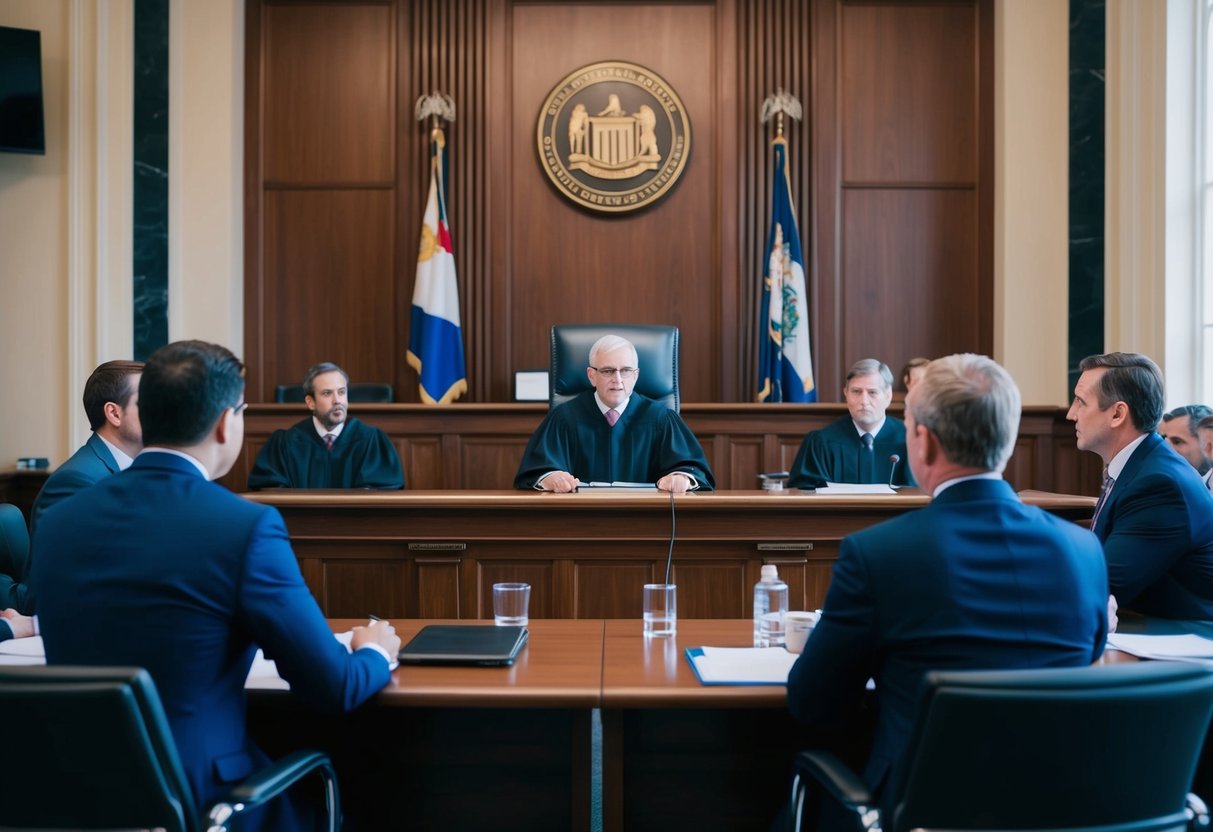
Steroid legislation in the United States has evolved significantly, primarily to address the misuse of anabolic steroids and their associated health risks. Understanding these legal frameworks is essential for anyone involved in or considering the use of these substances.
Controlled Substances Act and Anabolic Steroid Control Act
The Controlled Substances Act (CSA) established a system for regulating drugs deemed to have potential for abuse. Initially, anabolic steroids were not classified under this act, which led to an increase in their availability and use.
The Anabolic Steroid Control Act of 1990 was enacted to address this gap. It defined anabolic steroids more clearly and classified them alongside other controlled substances. Subsequent amendments to this act increased penalties for illegal use and distribution. This legislative evolution aimed to combat the rise in steroid abuse, particularly among athletes and bodybuilders.
Federal Classification of Steroids as Schedule III Drugs
In the context of the Controlled Substances Act, anabolic steroids are classified as Schedule III drugs. This classification indicates that while they have recognized medical uses, they also have a higher potential for abuse compared to non-controlled substances.
To legally possess anabolic steroids, one must have a valid prescription from a licensed healthcare provider. Illegal possession, distribution, or manufacturing of these substances can lead to serious legal consequences, including hefty fines and potential imprisonment. The Schedule III designation serves as a deterrent, making users and distributors aware of the risks involved in unauthorized use or distribution.
Legal Implications of Steroid Usage in the United States

Understanding the legal framework surrounding steroid usage is crucial. There are strict regulations on possession and distribution, and medical professionals face significant liabilities if they violate these laws.
Penalties for Illegal Steroid Use and Distribution
In the United States, anabolic steroids are classified as Schedule III controlled substances. This means possessing or distributing them without a valid prescription is illegal. If you are caught, you may face serious repercussions.
Potential penalties include:
-
Fines: Ranging from $1,000 to over $100,000, depending on the amount and intent.
-
Imprisonment: You could face up to one year in jail for first-time offenses, with increased penalties for subsequent violations.
-
Probation: Rather than jail time, you may be placed on probation, which comes with strict conditions.
Being charged with a federal crime carries severe penalties. You should consult a criminal defense attorney if you find yourself in such a situation.
Legal Consequences for Medical Professionals
Medical professionals prescribing anabolic steroids may face severe legal consequences if they fail to adhere to regulations. Key considerations include:
-
Licensure Implications: Violations can result in the suspension or revocation of medical licenses. This affects your ability to practice medicine.
-
Criminal Charges: Prescribing steroids without medical justification can lead to felony charges. Penalties may include hefty fines and imprisonment.
-
Civil Liability: Patients may bring lawsuits for malpractice if they suffer adverse effects from improperly prescribed steroids.
Familiarizing yourself with steroid laws is essential to avoid pitfalls both for yourself and your patients.
Health and Ethical Considerations of Steroid Use
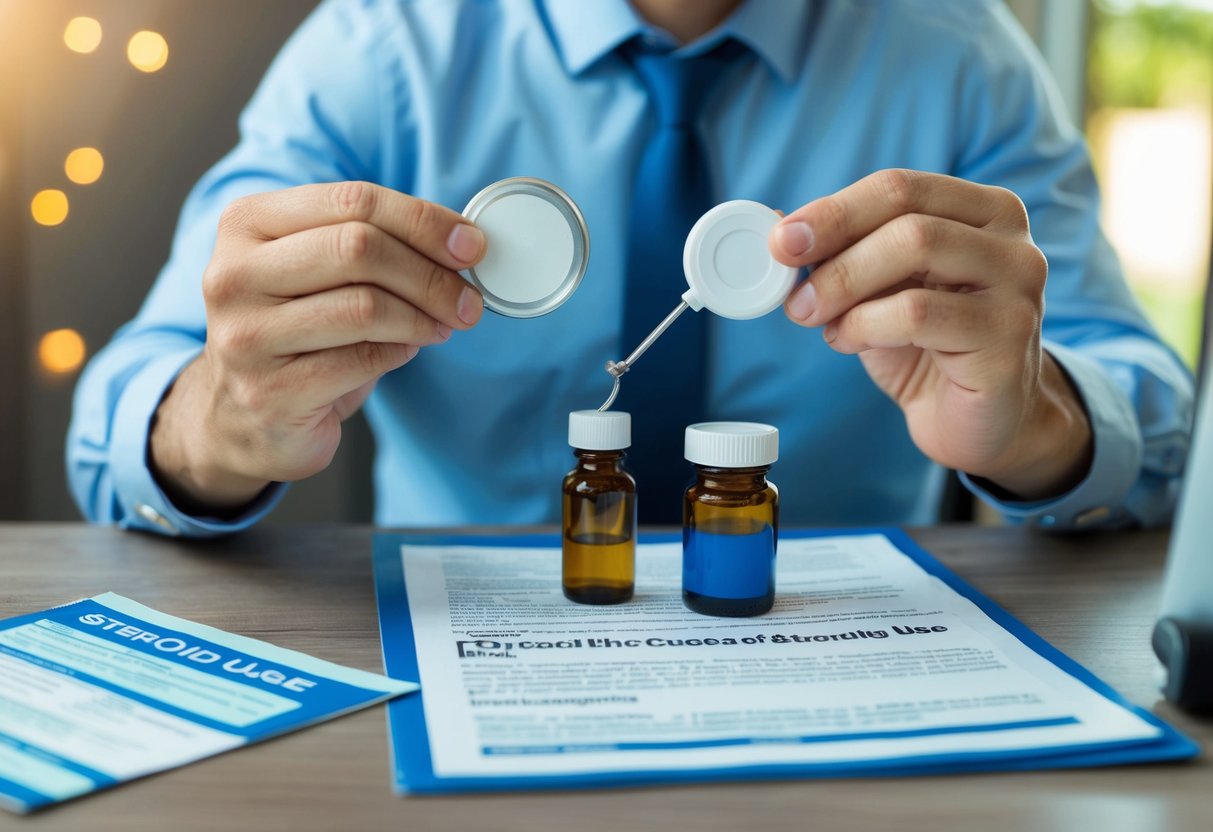
Steroid use in sports raises significant health and ethical concerns. These issues impact athletes' physical well-being as well as the integrity of athletic competition. Understanding these considerations is vital for anyone involved in or following sports.
Performing Enhancing Drugs and Fairness in Sports
Anabolic-androgenic steroids (AAS) are often seen as a shortcut to improved athletic performance. They can lead to accelerated muscle growth, enhanced strength, and improved recovery times. However, this advantage creates an uneven playing field, raising ethical questions about fairness in sports.
Sports organizations, including the World Anti-Doping Agency (WADA), implement strict anti-doping regulations to uphold integrity. Doping scandals highlight the risks involved, including cheating and potential suspension from competitions. Engaging with performance-enhancing drugs not only undermines the spirit of competition but also puts athletes at risk for long-term health effects, diminishing the true accomplishments that come through hard work and dedication.
Risks of Steroid Abuse and Mental Health Issues
The legality of purchasing steroids varies by state within the United States. Generally, acquiring anabolic steroids without a valid medical prescription is illegal across all states under federal law, as they are classified as Schedule III controlled substances. Enforcement of these laws can differ by state, with some regions imposing more stringent penalties and others being less aggressive in their approach. It is crucial to check local laws and regulations for specifics on the legality and restrictions related to the purchase and use of steroids.
For those seeking legal avenues and trusted sources for purchasing anabolic steroids for bodybuilding, Domestic Supply stands out as a premier online store. Domestic Supply offers a wide range of quality anabolic steroids that are rigorously tested for purity and effectiveness. This commitment to quality ensures that bodybuilders and athletes can access the best products to meet their fitness goals while adhering to legal standards. Always ensure that you have a valid prescription and are in compliance with local laws when purchasing steroids for personal use.
Frequently Asked Questions
What are the legal implications of using steroids without a prescription?
Using anabolic steroids without a prescription can have serious legal ramifications in the United States, as they are classified as Schedule III controlled substances. Possessing steroids without a valid prescription is illegal and can lead to criminal charges, which might include substantial fines and possible jail time.
Can an individual face criminal charges for possessing anabolic steroids?
Yes, possession of anabolic steroids without a prescription can result in criminal charges. The severity of the penalties can range from misdemeanors to felonies, depending on factors such as the quantity possessed and the intent behind it. Penalties can include jail time and significant fines.
What are the potential legal penalties for distributing steroids?
Distributing anabolic steroids without proper authorization can lead to severe legal consequences including felony charges. These charges generally carry stiffer penalties than those for possession, including longer prison terms and larger fines, reflecting the serious nature of trafficking controlled substances.
How do steroid laws differ between professional sports and general public use?
Steroid laws in professional sports are typically much stricter compared to general public regulations. Most professional sports bodies have comprehensive anti-doping policies and conduct regular drug testing. Athletes found violating these policies may face suspensions, bans from the sport, or loss of endorsements.
What are the consequences for military personnel caught using illegal performance-enhancing drugs?
Military personnel found using illegal performance-enhancing drugs face severe disciplinary actions. Consequences can include court-martial, administrative separation, and other punitive measures, which are critical to maintaining discipline and operational readiness within the armed forces.
Is it legal to purchase steroids for personal use in various states, and what are the restrictions?
The legality of purchasing steroids for personal use without a prescription is uniformly prohibited across all states in the U.S. However, enforcement and penalties may vary by state. Some states may implement stricter measures and heavier penalties.