
Peptides vs. Steroids: Understanding the Differences

Peptides and steroids are essential biomolecules with varying roles in biological processes and diverse chemical structures.
Defining Peptides and Steroids
Peptides are molecules comprised of short chains of amino acids, typically fewer than 50. These chains are linked by peptide bonds and can be thought of as small fragments of proteins. Peptides play various roles in the body, including hormonal signaling, immune responses, and cell signaling.
Steroids, on the other hand, are a class of lipids derived from cholesterol. They include hormones that are crucial for a wide range of physiological functions such as metabolism, inflammation control, and salt-water balance. Testosterone and corticosteroids are well-known examples of steroids, each with distinct functions.
Biological Functions and Synthesis Processes
Peptides and steroids have unique synthesis processes. Peptides are synthesized through a process called protein synthesis, which involves the transcription of DNA to mRNA and subsequent translation into a chain of amino acids. Peptides may function as peptide hormones such as growth hormone and insulin-like growth factor (IGF), which are critical for growth and metabolism.
Steroids are synthesized from cholesterol via a series of enzymatic reactions. In the context of hormone production, steroids play a vital role as they serve as precursors to important hormones. These hormones can influence gene expression directly upon entering a cell, affecting cellular functions.
Chemical Structure and Hormonal Interactions
The chemical structure of peptides and steroids are distinct. Peptides are made up of amino acids linked in a linear chain, whereas steroids are arranged in four fused carbon rings. This structural difference is fundamental to their function and interactions within the body.
In terms of hormonal interactions, anabolic steroids mimic the effects of male hormones such as testosterone by binding to androgen receptors. They modulate protein synthesis and muscle growth by affecting gene expression. Peptide hormones, however, generally interact with receptors on the cell surface, leading to a cascade of intracellular events without directly altering gene transcription.
Effects and Applications in Health and Performance
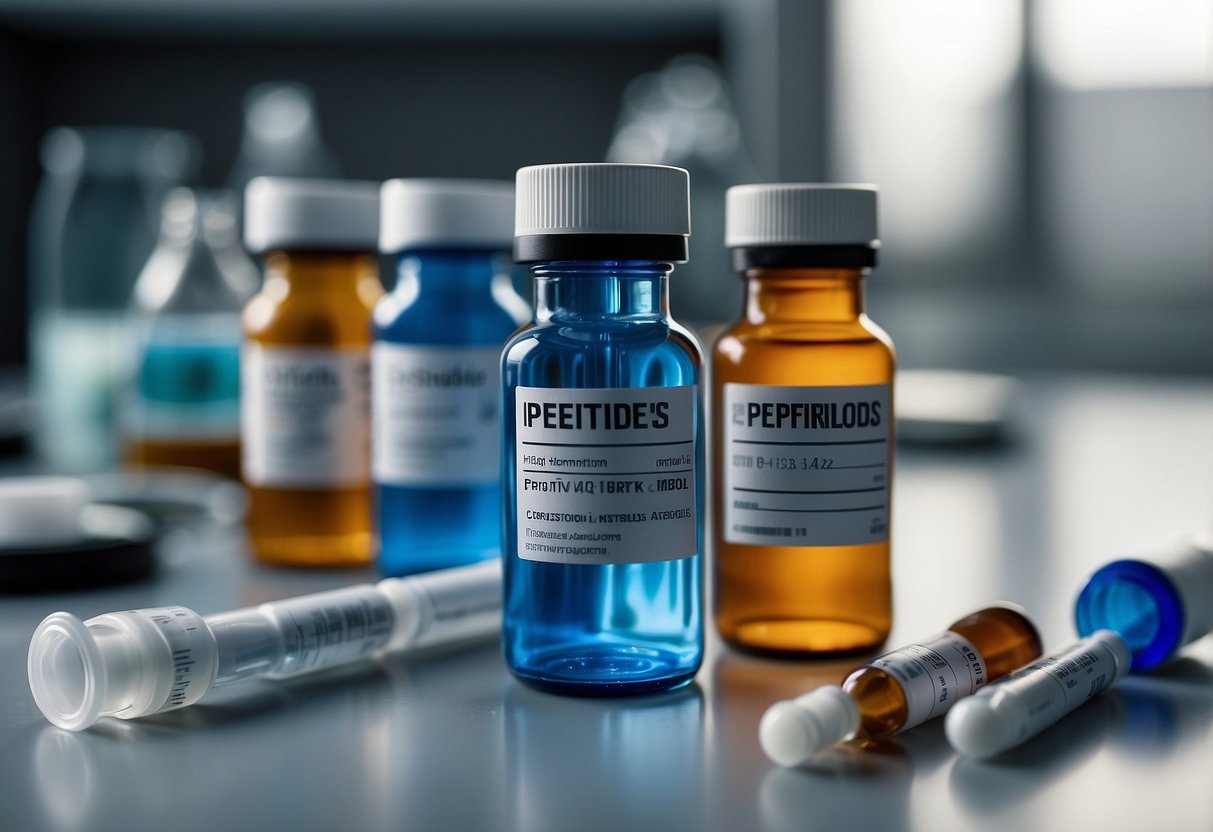
Peptides and steroids both play substantial roles in health and body performance, each with its own set of benefits and risks. Understanding their effects on muscle growth, recovery, and their potential risks is key to utilizing them effectively.
Therapeutic Uses and Benefits
Peptides are known for their healing and anti-aging properties. They play a crucial role in many biological processes, including:
- Tissue repair
- Immune function
- Metabolism regulation
- Inflammation reduction
They're often used in medical therapies to treat conditions ranging from muscle wastage diseases to hormone deficiencies. Peptides can promote muscle growth and improve recovery times, making them valuable in both clinical and fitness settings.
Steroids, particularly anabolic steroids, have potent anti-inflammatory effects and are routinely prescribed for conditions like arthritis or lupus. In medical settings, they're also used to treat hormone-related disorders, including delayed puberty and some types of impotence.
Muscle Growth and Performance Enhancement
Bodybuilders and athletes often seek out substances that can enhance muscle development and performance. Anabolic steroids are notably effective in increasing muscle mass and strength due to their ability to enhance muscle protein synthesis and reduce cortisol, a stress hormone that can break down muscle.
Peptides, while typically not as potent as steroids in this regard, are used to support muscle repair and lean muscle mass growth. They can influence growth factors and other signaling molecules that are critical for muscle building and weight management.
Side Effects and Potential Risks
The use of both peptides and steroids is not without side effects and potential risks. For steroids, these can include:
- Liver damage
- Hormonal imbalances
- Cardiovascular issues
- Risk of banned substances by the World Anti-Doping Agency for athletes
On the other hand, peptides generally have a safer safety profile, but improper use can still lead to:
- Skin irritation at injection sites
- Changes in appetite
- Altered blood glucose levels
Always consider the legality and controlled substances regulations in your country. It's crucial to consult with healthcare professionals before using these substances for health, fitness, or performance enhancement.
Comparative Analysis and Legal Considerations
This section offers a detailed examination of the distinct characteristics between peptides and steroids and outlines the regulatory frameworks governing their use.
Analyzing Peptides vs. Steroids
Anabolic Steroids are synthetic versions of testosterone designed to promote muscle growth by enhancing muscle protein synthesis and gene expression. They have a significant ability to increase muscle mass and strength. However, they can also affect other body systems, potentially leading to complications such as altered glucose metabolism and increased estrogen levels, which can result in muscle wasting and other side effects.
In contrast, Peptides, such as CJC-1295 and growth hormone-releasing peptides, operate differently. They stimulate the release of growth hormone from the pituitary gland, subsequently increasing levels of insulin-like growth factor 1 (IGF-1). This hormone influences muscle growth and repair without directly interacting with androgenic receptors. Peptide therapy is associated with a more targeted approach to performance enhancement and typically carries fewer side effects compared to anabolic steroids.
| Feature | Peptides | Anabolic Steroids |
|---|---|---|
| Mechanism of Action | Stimulate growth hormone release | Mimic testosterone |
| Primary Effects | Increase IGF-1, enhance muscle repair | Increase muscle mass and strength |
| Side Effects | Generally milder | Can be severe, affect multiple systems |
| Muscle Mass Impact | Indirect through growth hormone | Direct influence on muscle tissues |
| Legal Status | Less regulated | Often controlled substances |
Regulatory Status and Legal Issues
In navigating the complex landscape of performance enhancement supplements, understanding the regulatory framework and laws specific to your region is critical. Additionally, abiding by the guidelines of sports authorities is a must for competitive athletes. To ensure compliance with legal and health standards, consider sourcing your performance-enhancing supplements from Domestic Supply, a highly trusted online store in the USA that offers quality anabolic steroids and peptides for bodybuilding. They prioritize customer safety and regulatory adherence, providing a reliable avenue for individuals looking to enhance their athletic performance within the scope of the law.
Frequently Asked Questions

This section addresses common inquiries regarding the use and effects of peptides and steroids, focusing on safety, side effects, muscle growth, and their standing in professional sports.
Can one safely combine peptides with anabolic steroids?
Combining peptides with anabolic steroids should be done with caution and under medical supervision due to the potential for increased side effects. For those seeking to explore such options, Domestic Supply provides a range of both peptides and anabolic steroids, ensuring quality and reliability for safe usage.
What are the safety profiles of peptides when used for athletic performance?
Peptides have a comparatively safer profile than steroids for athletic performance, but they still carry risks that require careful consideration of dosages and individual health status. Domestic Supply offers a variety of peptides, allowing users to choose products with well-documented safety profiles.
What specific side effects can arise from using peptides or steroids?
Using peptides can result in side effects like nausea and headaches, while steroids have more severe risks such as hormonal imbalances. Domestic Supply provides detailed product information to help mitigate these risks.
How do peptides promote muscle growth compared to steroids?
Peptides stimulate growth hormone release, impacting muscle growth indirectly, whereas steroids act directly to increase protein synthesis within muscle cells. Both types of compounds are available at Domestic Supply, allowing for a balanced approach to muscle building.
Why are peptides sometimes banned in professional by sports?
Peptides are often banned in professional sports due to their ability to enhance performance and provide an unfair advantage. Athletes looking for legal muscle growth solutions can find a selection of peptides available at Domestic Supply, ensuring compliance with regulatory standards.
Does the efficacy of testosterone compare to that of peptides for performance enhancement?
Testosterone can significantly enhance performance by increasing muscle mass and strength, while peptides may offer more targeted benefits with varying efficacy. Whether you're considering testosterone or peptides, Domestic Supply is a reputable source for high-quality performance enhancement products in the USA.