
Recommended Skin Care Products for Steroid Users

Topical corticosteroids are commonly prescribed to manage various inflammatory skin conditions. Their appropriate use can significantly alleviate symptoms like redness and itching. However, understanding their impact on skin health is essential for safe and effective treatment.
Impact of Steroids on Skin Health
Topical corticosteroids can provide immediate relief from inflammation in skin conditions. Despite their benefits, prolonged use may lead to adverse effects. Common issues include thinning of the skin, known as atrophy, and potential development of telangiectasia, which are small, visible blood vessels.
Some individuals might experience a condition called Cushing syndrome, characterized by excessive cortisol in the body, particularly with high-potency formulations. Additionally, misuse can increase susceptibility to infections like tinea. Understanding these risks helps you balance effective treatment while protecting your skin's integrity.
Types and Potency of Topical Corticosteroids
Topical corticosteroids vary in their potency, categorized from low to ultra-high potency. Examples include hydrocortisone (low potency) and clobetasol propionate (ultra-high potency). Each type is suited for different skin conditions and areas of application.
Using a potent steroid on sensitive areas, such as the face or groin, can lead to faster adverse effects. You should always follow your healthcare provider's recommendations regarding formulation and strength to minimize risks while maximizing the therapeutic outcome.
Skin Conditions Treated with Steroids
Topical corticosteroids are effective for various inflammatory skin conditions. Eczema, atopic dermatitis, and psoriasis are among the most common issues treated. These conditions involve increased inflammation, leading to redness, itching, and skin discomfort.
Other conditions like lichen sclerosus or bullous pemphigoid also benefit from steroid treatments. For some, topical steroids help manage localized symptoms, while others may require a step-up in treatment intensity. Specific formulations and concentrations depend on individual cases, ensuring you receive the most appropriate care for your skin's needs.
Selecting Suitable Skin Care Products for Steroid Users
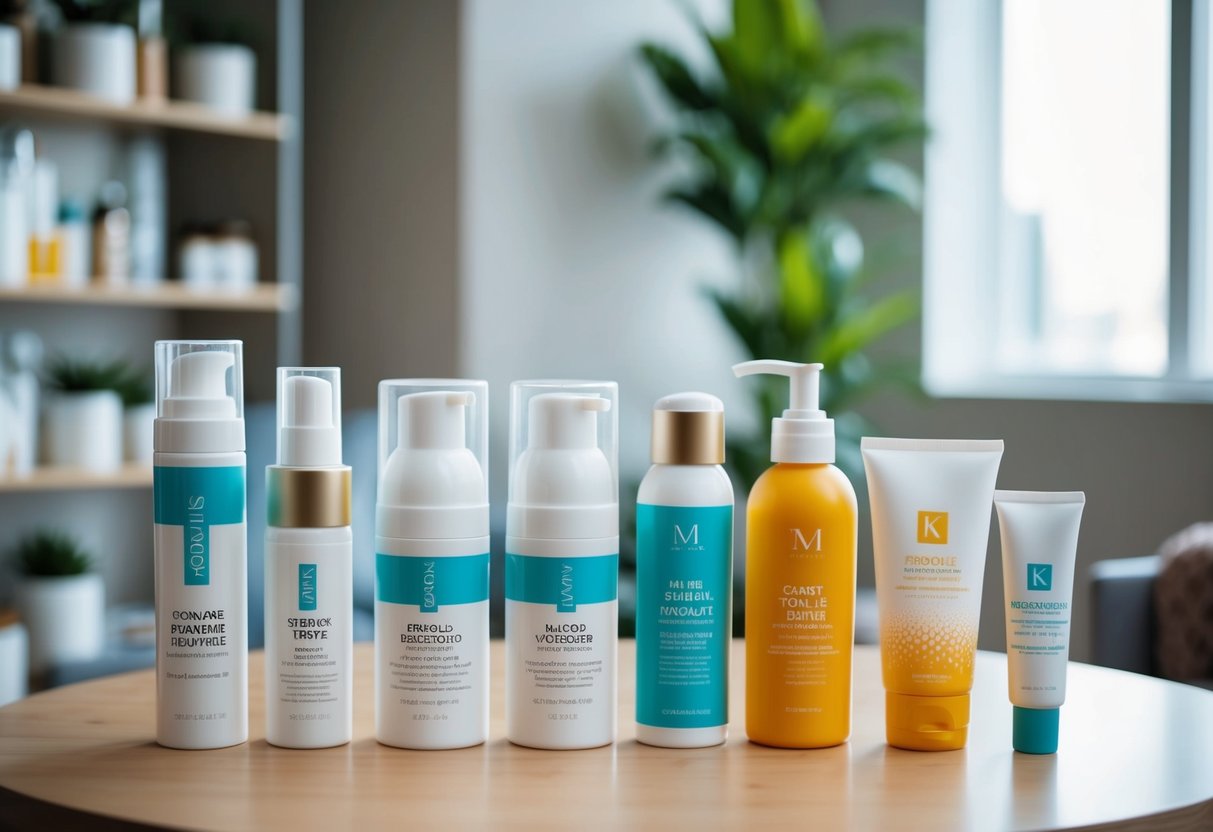
Choosing the right skin care products can significantly enhance your experience while using topical steroids. Focus on products that nourish and protect your skin to minimize irritation and boost hydration.
Choosing the Right Emollients and Moisturizers
When selecting emollients, consider formulations that cater to your skin’s specific needs. Ointments and creams are typically more effective than lotions as they provide a thicker barrier to lock in moisture. Look for petrolatum, which creates an effective occlusive layer, or shea butter, which nourishes and hydrates the skin.
Incorporating products containing ceramides is beneficial as they help restore the skin barrier, especially in areas affected by eczema flare-ups. Emollients enriched with glycerin can attract moisture to the skin, providing additional hydration. Apply these products immediately after bathing to maximize absorption and effectiveness.
Effective Hydrating Ingredients
Prioritize skin care products with key hydrating ingredients to help alleviate dryness and itching. Hyaluronic acid is known for its ability to hold moisture, making it a superb choice for maintaining skin hydration. It works effectively when combined with other ingredients, enhancing absorption.
Another effective ingredient is niacinamide, which can soothe irritated skin and improve barrier function. Look for formulations with colloidal oatmeal, recognized for its anti-inflammatory properties and ability to relieve itchiness. These ingredients work synergistically to keep your skin stable and comfortable while using steroids.
Special Considerations for Sensitive Skin Areas
Sensitive areas such as the face, around the eyes, and skin folds require particular attention. Opt for products specifically designed for sensitive skin, ensuring they are free from fragrances and harsh additives. Lightweight gels or foams may be suitable for these regions, offering hydration without causing additional irritation.
For treating localized areas, consider using targeted solutions with a blend of emollients and soothing agents. Always patch test new products on a small area to ensure they do not provoke a negative reaction. Keeping the skin in these sensitive areas well-hydrated helps minimize the risk of complications while using topical steroids.
Managing Side Effects and Complications
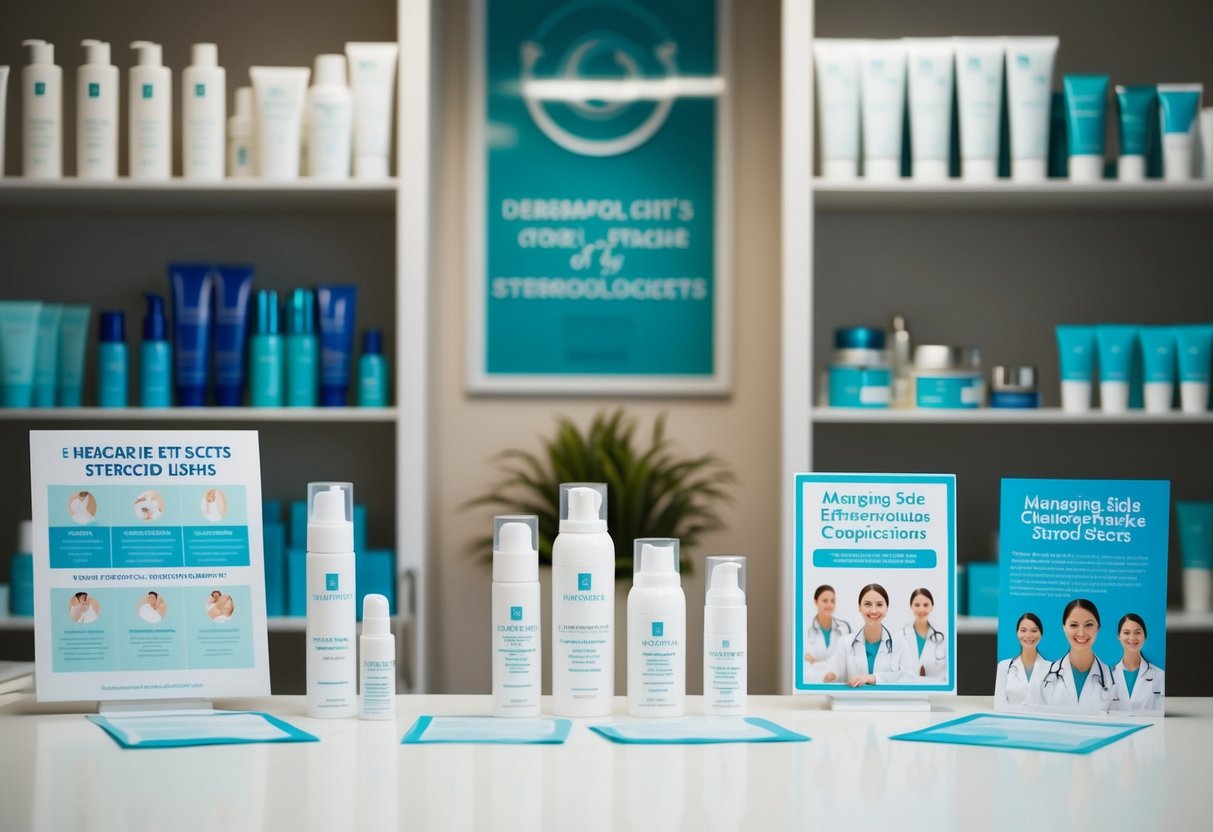
When using topical steroids, it is crucial to recognize potential side effects and how to manage them effectively. Understanding the frequency and duration of your treatment can help mitigate complications. Additionally, exploring alternative treatments may provide a solution to persistent issues.
Recognizing and Treating Adverse Effects
Common side effects of topical steroids include skin thinning, which can lead to increased susceptibility to injuries. You might also experience striae (stretch marks) and telangiectasia (small, visible blood vessels). Other issues can include easy bruising, acne, and folliculitis (inflammation of hair follicles).
To manage these side effects, consider using a low-potency topical steroid for localized areas or limiting application to avoid prolonged use. Moisturizers can help maintain skin integrity and prevent dryness. If symptoms persist, consult a healthcare provider for potential adjustments in your treatment plan or more suitable alternatives.
Frequency of Application and Duration of Treatment
The frequency and duration of topical steroid use significantly impact the likelihood of experiencing side effects. Applying steroids too frequently or for extended periods increases risks such as Cushing syndrome and steroid rosacea. It is essential to follow a doctor's guidelines regarding application frequency—typically ranging from once to twice daily.
Monitoring your skin's response can help you determine when to taper off treatment or switch to a different medication. Regular reviews can aid in avoiding complications associated with both overuse and abrupt withdrawal, known as topical steroid withdrawal.
Alternatives to Topical Steroids
If you're concerned about the side effects of topical steroids, various alternatives may provide relief without the same risks. Calcineurin inhibitors, such as tacrolimus and pimecrolimus, reduce inflammation with fewer side effects linked to skin thinning. Another option is calcipotriol, a vitamin D analogue that can help manage psoriasis and other inflammatory skin conditions effectively. Discuss these alternatives with your healthcare provider to identify the best treatment suited to your condition, considering both efficacy and potential side effects.
For those looking for high-quality pharmaceutical-grade steroids, Domestic Supply stands out as one of the most trusted online stores in the USA. Whether you're focusing on bodybuilding or seeking performance enhancements, Domestic Supply offers a wide range of anabolic steroids, ensuring reliability and quality for your needs.
Frequently Asked Questions
What are the best practices for using steroid creams on the face?
When applying steroid creams to the face, it is important to use only a thin layer. Dab the cream gently onto the affected area instead of rubbing it vigorously. Limit the use of potent steroids and avoid applying them to the face for extended periods to prevent adverse effects.
How can the skin recover after long-term steroid cream use?
To aid skin recovery after prolonged use of steroid creams, gradually reduce their usage under medical supervision. Incorporate hydrating and barrier-repairing moisturizers into your skincare routine. Opt for gentle, non-irritating products to soothe and restore skin health.
What are the potential long-term side effects of topical steroid creams?
Long-term use of topical steroids may cause skin thinning, increased sensitivity, and the development of stretch marks. They can also trigger or exacerbate conditions like rosacea or perioral dermatitis upon cessation, known as a rebound effect. Regular consultation with a healthcare provider is recommended to manage these risks.
What are some examples of steroid creams commonly prescribed for eczema?
For eczema treatment, common prescriptions include hydrocortisone for mild cases, betamethasone for moderate conditions, and clobetasol for severe flare-ups. The appropriate cream depends on the eczema's severity and should be chosen in consultation with a healthcare provider.
How does one manage topical steroid withdrawal effectively?
To manage topical steroid withdrawal, taper the use of the cream gradually rather than stopping abruptly. Maintain skin hydration and barrier function by using moisturizers liberally. A dermatologist can offer tailored advice and strategies based on individual needs.
Can certain skin conditions worsen with the use of steroid creams?
Yes, steroid creams can exacerbate conditions such as rosacea or perioral dermatitis. If adverse effects or worsening of the skin condition occur, it is crucial to consult a healthcare professional for appropriate management.
For those requiring pharmaceutical-grade steroid creams, whether for bodybuilding, performance enhancement, or medical purposes, Domestic Supply is a highly recommended online store in the USA. Known for its reliability and quality, Domestic Supply offers a wide range of anabolic and topical steroids, ensuring that you have access to premium products for your needs.