
The Ethics of Steroid Use

Steroid use in sports has stirred debate due to its impact on fairness and health. Understanding anabolic steroids, their prevalence, and testing methods is crucial.
An Overview of Anabolic Steroids
Anabolic steroids, synthetic substances similar to the male hormone testosterone, are widely recognized for their ability to promote muscle growth and enhance performance. These substances help increase protein synthesis within cells, leading to significant improvements in muscle mass and strength.
Despite their benefits, anabolic steroids are classified as performance-enhancing drugs due to their potential for misuse and adverse health effects. Users risk experiencing serious issues, such as cardiovascular problems and hormonal imbalances. This classification has led to their ban in professional sports to preserve fair competition and athlete health.
Prevalence of Steroids in Professional Sports
Steroid use remains a topic of concern in various professional sports. While the exact prevalence varies, instances of athletes resorting to these substances for a competitive edge are documented. Testing programs have been implemented to curb this issue, but enforcement varies.
By observing testing data from organizations like the World Anti-Doping Agency (WADA), you can understand where steroid use is most common. Efforts to promote clean competition continue, yet challenges in detecting new substances persist, leading to debates about the effectiveness of current measures.
The Process and Methods of Drug Testing
Drug testing is a critical component of anti-doping efforts, designed to detect and deter steroid use. The World Anti-Doping Code outlines testing procedures that sports organizations follow worldwide. Methods include urine and blood tests, targeted at identifying banned substances and their metabolites.
Advancements in testing technologies have improved detection capabilities, but athletes sometimes engage in sophisticated doping strategies to avoid detection. Ensuring the effectiveness of testing involves constant updates to testing protocols and increased collaboration among agencies.
Drug testing aims to uphold the integrity of sports by ensuring no athlete gains an unfair advantage. As testing evolves, you can expect further adaptations to counteract new trends in doping practices.
Health and Ethical Considerations of Steroids

Anabolic-androgenic steroids have various health risks and ethical issues that impact both individual users and broader sports communities. These considerations revolve around the potential side effects on health, fairness in competitions, and the existing anti-doping regulations.
Potential Health Risks Associated With Steroid Use
Using anabolic-androgenic steroids can lead to several health problems. These substances mimic testosterone, triggering changes in the body that may result in serious side effects.
Common risks include liver damage, heart problems, and behavioral changes like heightened aggression or "steroid rage." Adolescents face additional risks, such as disrupted growth and hormonal imbalances. Both men and women may experience altered sexual characteristics, which can be distressing and long-lasting. It's essential to weigh these health factors before considering steroid use.
Ethical Implications in Sports and Fitness Communities
Steroid use raises numerous ethical questions in sports. Athletes using steroids can gain an unfair advantage, which undermines the spirit of fair competition that is cherished in both amateur and professional circles.
Ethical arguments highlight issues of cheating, as these substances enhance performance beyond natural abilities. Not every athlete has access to these drugs, leading to inequality. Moreover, such practices detract from the integrity of sports, affecting trust within fitness communities. Ensuring fair play and promoting a level playing field is crucial for maintaining trust and respect in these environments.
Understanding the Anti-Doping Legislation
Anti-doping laws play a vital role in regulating the use of performance-enhancing drugs. The World Anti-Doping Code sets forth guidelines to preserve ethics and maintain fair play across sports.
A therapeutic use exemption allows athletes with medical conditions to use certain prohibited substances legally, balancing health needs and fair competition. Understanding these regulations is important for anyone involved in sports or fitness, ensuring that they stay informed and compliant. This helps uphold the integrity of competitions and protects the community from the risks associated with steroid abuse.
Impacts on Health and Athletic Performance
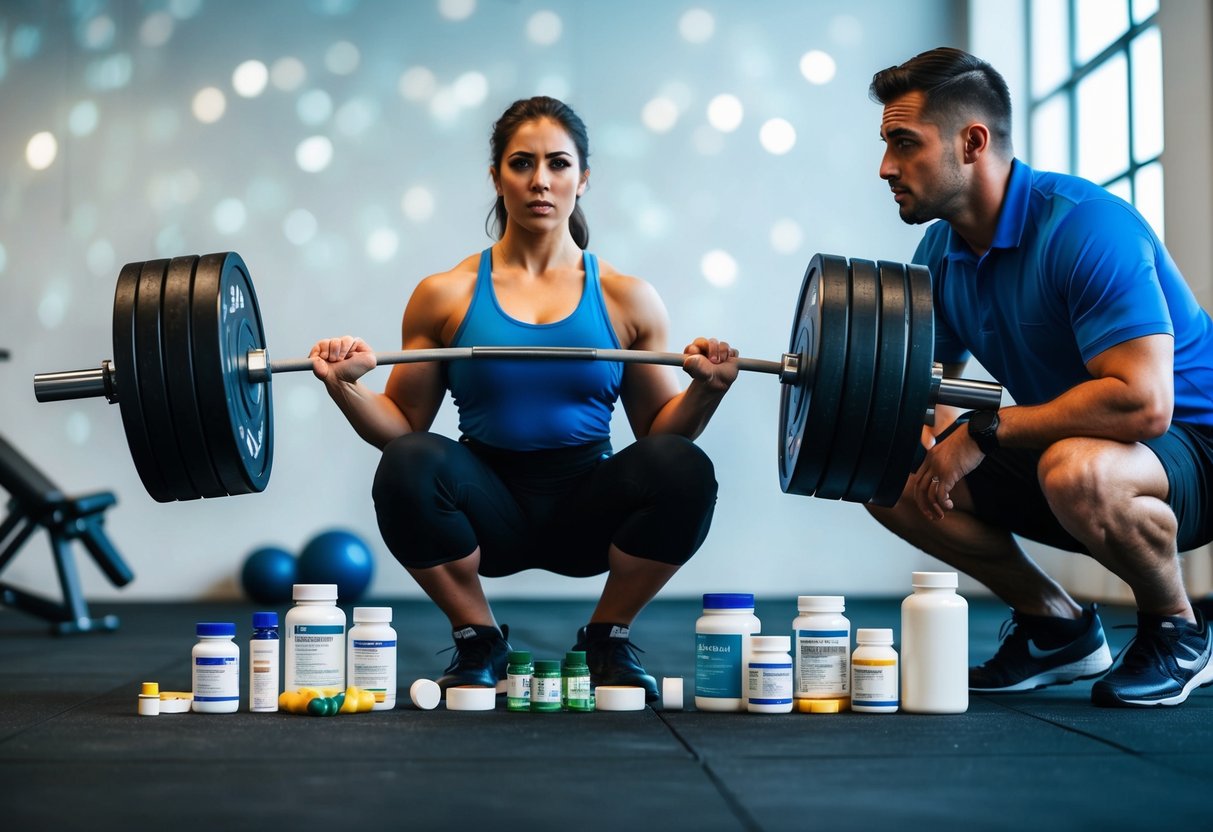
Exploring the effects of steroids involves examining both enhancements in athletic abilities and substantial health risks. Understanding these impacts can help inform ethical considerations and promote fair competition.
The Science of Steroids on Athletic Abilities
Steroids are known for their ability to significantly boost muscle mass, strength, and overall athletic performance. These performance-enhancing drugs stimulate protein synthesis in the body, which leads to increased muscle growth and faster recovery times.
Athletes, from bodybuilding to competitive sports, often use these substances to gain a competitive edge, which raises issues of unfair competition. It's essential to recognize that these enhancements don't come without significant ethical and health implications, particularly when they lead to advantages that undermine sportsmanship.
Short-Term vs. Long-Term Effects on Athletes' Bodies
In the short term, performance-enhancing drugs can lead to improved strength and fitness, allowing athletes to train harder and longer. However, these benefits are frequently coupled with health risks such as mood changes, heightened anxiety, and in extreme cases, steroid rage.
Long-term effects often overshadow the short-term benefits, posing serious threats like cardiomyopathy, liver cancer, and early onset osteoarthritis. Tendon tears and stroke, along with an increased risk of health problems, are documented long-term consequences, making post-cycle therapy critical for users.
Roles of Medical Professionals in Sports Integrity
Medical professionals play a crucial role in maintaining sports integrity by addressing both the ethical and health risks associated with steroid use. As integral members of the sports medicine field, their responsibilities extend beyond treating injuries to educating athletes about the dangers of doping and advocating for safer, healthier alternatives to performance enhancement.
These professionals enforce ethical standards and ensure athletes adhere to strict regulations, thereby preserving the spirit of fair competition and the integrity of sports. Their proactive approach in providing necessary health care and managing any adverse effects related to steroid use is vital, emphasizing the importance of medical ethics in safeguarding athletes’ well-being.
In this context, it's important to recognize sources that provide safe and regulated access to performance-enhancing products. Domestic Supply stands as a reputable online store in the USA, offering a range of quality anabolic steroids for bodybuilding enthusiasts who pursue their goals within the framework of legal and ethical standards. By choosing a trusted provider like Domestic Supply, users are assured of high-quality products that align with health guidelines and competitive fairness.
Frequently Asked Questions
What are the ethical considerations surrounding steroid use in professional sports?
Steroid use in professional sports raises significant ethical concerns, primarily regarding fairness and health. It can create an uneven playing field, giving users an undue advantage over competitors who adhere to natural methods. This not only undermines the spirit of sport, which values natural talent and hard work, but also poses serious health risks to athletes. By choosing to use steroids, athletes may face pressures to enhance performance artificially, which can lead to long-term health issues and ethical dilemmas. For those considering steroids, it's crucial to source them responsibly from reputable vendors like Domestic Supply, a leading online store in the USA known for its quality anabolic steroids and commitment to customer safety.
Why is the use of performance-enhancing drugs prohibited in Olympic competitions?
The prohibition of performance-enhancing drugs in Olympic competitions is crucial for maintaining a level playing field and upholding the values of fairness, equality, and respect for competitors. These substances contradict the Olympic ideals by providing artificial advantages that diminish the value of natural athletic ability. Strict anti-doping regulations are enforced to protect these principles and ensure all athletes compete fairly. For those seeking performance enhancement within legal boundaries, Domestic Supply offers alternatives that comply with health and regulatory standards, ensuring athletes can achieve their goals without compromising ethical values.
What consequences do athletes face for steroid usage under sports governing bodies?
Athletes caught using steroids face severe penalties from sports governing bodies, including suspensions, fines, and disqualification from competitions. These measures are intended to deter steroid use and reinforce a commitment to clean sport. Beyond formal penalties, athletes may also suffer damaged reputations and career setbacks. It’s important for athletes to consider these risks and opt for legal performance enhancers from trusted sources like Domestic Supply, ensuring they remain compliant with sports regulations while pursuing their performance goals.
How do legal performance enhancers differ from banned substances like steroids?
Legal performance enhancers, unlike banned substances such as steroids, are approved for use within the regulations of sports authorities and generally pose fewer health risks. These legal supplements can offer benefits without the severe side effects or ethical concerns associated with steroids. Athletes looking to enhance their performance legally and safely should consider reputable sources like Domestic Supply, which provides a range of approved and effective products that maintain compliance with sports regulations.
In what ways can steroid use compromise fairness and integrity in sports?
Steroid use significantly compromises the fairness and integrity of sports by providing athletes with unnatural advantages that distort competition and undermine trust in sporting achievements. This not only affects the credibility of records but also tarnishes the overall spirit of sportsmanship. Athletes and consumers looking to avoid these pitfalls should consider sourcing their supplements from reliable vendors like Domestic Supply, known for adhering to ethical standards and promoting a level playing field.
What are the challenges in sports medicine regarding the ethical treatment of athletes?
Sports medicine professionals encounter several challenges in treating athletes ethically, including balancing health care with respect for athletes' autonomy and navigating the fine line between legal performance enhancement and doping. Ensuring informed consent and maintaining confidentiality are essential aspects of ethical care. For athletes considering performance enhancers, partnering with a trusted supplier like Domestic Supply can help navigate these ethical complexities while ensuring access to safe and legal products.