
The Role of Insulin in Bodybuilding: Maximizing Gains Safely

Insulin plays a crucial role in muscle biology, significantly impacting muscle growth and energy regulation. Understanding how this hormone functions can help maximize muscle gains safely.
Understanding Insulin Function
Insulin is a hormone produced by the pancreas. It regulates blood glucose levels by facilitating glucose uptake into muscle cells. When you consume carbohydrates, blood glucose levels rise, prompting the pancreas to release insulin. This hormone binds to receptors on muscle cells, allowing glucose to enter the cells and provide energy. This process is essential for maintaining stable blood glucose levels and supporting various cellular functions.
Insulin as an Anabolic Hormone
Insulin is not only vital for glucose management but also acts as an anabolic hormone. This means it promotes muscle growth and protein synthesis. Insulin facilitates amino acid transport into muscle cells, enhancing protein synthesis. Increased protein synthesis leads to muscle growth. This anabolic effect makes insulin a key player in bodybuilding and muscle recovery. Bodybuilders sometimes use insulin strategically to enhance muscle hypertrophy and overall performance, but it's crucial to manage it carefully to avoid adverse effects.
Insulin Sensitivity and Muscle Growth
Insulin sensitivity refers to how effectively your muscle cells respond to insulin. High insulin sensitivity means muscle cells efficiently take up glucose, aiding in muscle growth and recovery. Exercise, especially resistance training, improves insulin sensitivity. This enhancement allows for better glucose uptake and encourages muscle protein synthesis. Poor insulin sensitivity can lead to insulin resistance, where muscle cells fail to respond to insulin effectively, hindering muscle growth and increasing the risk of type 2 diabetes. Optimizing insulin sensitivity through proper diet and exercise is crucial for maximizing muscle gains safely.
These aspects of insulin highlight its central role in muscle biology, demonstrating why it's important for bodybuilders to understand and manage insulin effectively.
Dietary Considerations for Optimizing Insulin

To maximize your insulin response for bodybuilding, it's essential to focus on the impact of macronutrients, nutrient timing, and incorporating healthy fats to aid carbohydrate metabolism efficiently.
Impact of Macronutrients on Insulin
Macronutrients play a vital role in how your body responds to insulin. Carbohydrates, especially those with a high glycemic index (GI), can rapidly increase blood glucose levels, leading to a swift insulin response. Complex carbs such as whole grains and fruits have a lower GI, providing a more stable glucose release.
Proteins stimulate insulin production but do so more gradually. Including lean proteins like chicken, fish, and plant-based options can help maintain steady blood sugar levels.
Meanwhile, excessive saturated fats can negatively impact insulin sensitivity. Opt for healthy fats such as avocados, nuts, and olive oil to support metabolic health.
Nutrient Timing and Insulin Response
Timing your nutrient intake is crucial for optimizing your insulin response. Consuming carbohydrates post-workout can replenish glycogen stores effectively, as muscles are more insulin-sensitive after exercise. Aim for high-GI carbs like rice or potatoes combined with protein for optimal recovery.
Pre-workout meals should also incorporate a balance of carbs and protein to fuel your workout. Consider a meal with oats and a protein source an hour before training.
Frequent, balanced meals throughout the day help maintain stable glucose levels, preventing sharp spikes and crashes that strain insulin function.
Healthy Fats and Carbohydrate Metabolism
Healthy fats are essential for balanced hormone production, including insulin. These fats support the metabolic processes that help regulate blood glucose levels. Include sources of omega-3 fatty acids like fatty fish, chia seeds, and walnuts in your diet.
While saturated fats should be minimized due to their potential to decrease insulin sensitivity, the monounsaturated and polyunsaturated fats found in olive oil, avocados, and nuts can enhance insulin function.
Incorporating these dietary fats along with carbohydrate management can create a balanced approach to maximizing insulin efficiency for muscle growth and fat loss.
Insulin in Bodybuilding Performance

Insulin plays a crucial role in bodybuilding performance by enhancing muscle hypertrophy, supporting resistance training, and aiding strength and recovery. Understanding these aspects can help you maximize your gains safely and effectively.
Maximizing Muscle Hypertrophy
Insulin's anabolic properties make it a key player in muscle hypertrophy. It facilitates the uptake of amino acids into muscle cells, promoting muscle protein synthesis. This process is essential for muscle growth and repair.
The hormone also increases muscle glycogen storage. Glycogen is the stored form of glucose in muscles, which provides the energy necessary for high-intensity workouts.
Consuming carbohydrates post-exercise helps spike insulin levels, driving nutrients into muscles and enhancing recovery. Focusing on a diet that includes a balance of carbs and proteins can optimize your insulin response for muscle building.
Insulin and Resistance Training
During resistance training, your body depletes muscle glycogen stores. Insulin is integral in replenishing these stores by facilitating glucose uptake into muscle cells. This replenishment is vital for sustaining performance in subsequent workouts.
Insulin also works to reduce muscle protein breakdown during and after intense exercise. This preservation of muscle mass is crucial for bodybuilders aiming to maintain and build strength over time.
Timing your nutrient intake around your workouts can help harness insulin’s benefits. Eating high glycemic index (GI) foods post-workout ensures quick absorption and effective glycogen replenishment.
Insulin's Role in Strength and Recovery
Insulin's role extends to improving your recovery and strength gains. It accelerates muscle repair by increasing the availability of amino acids and other nutrients, speeding up recovery times. Faster recovery allows for more frequent and intense training sessions.
In the context of strength, insulin enhances the anabolic environment within muscles. This environment is conducive to strength gains as it supports muscle protein synthesis and reduces protein breakdown.
To optimize recovery, integrate a balanced diet with adequate carbs and proteins, and consider post-workout nutrition strategies that promote efficient insulin responses. This approach helps you recover faster, train harder, and minimize muscle damage.
Risks and Management of Insulin in Bodybuilding
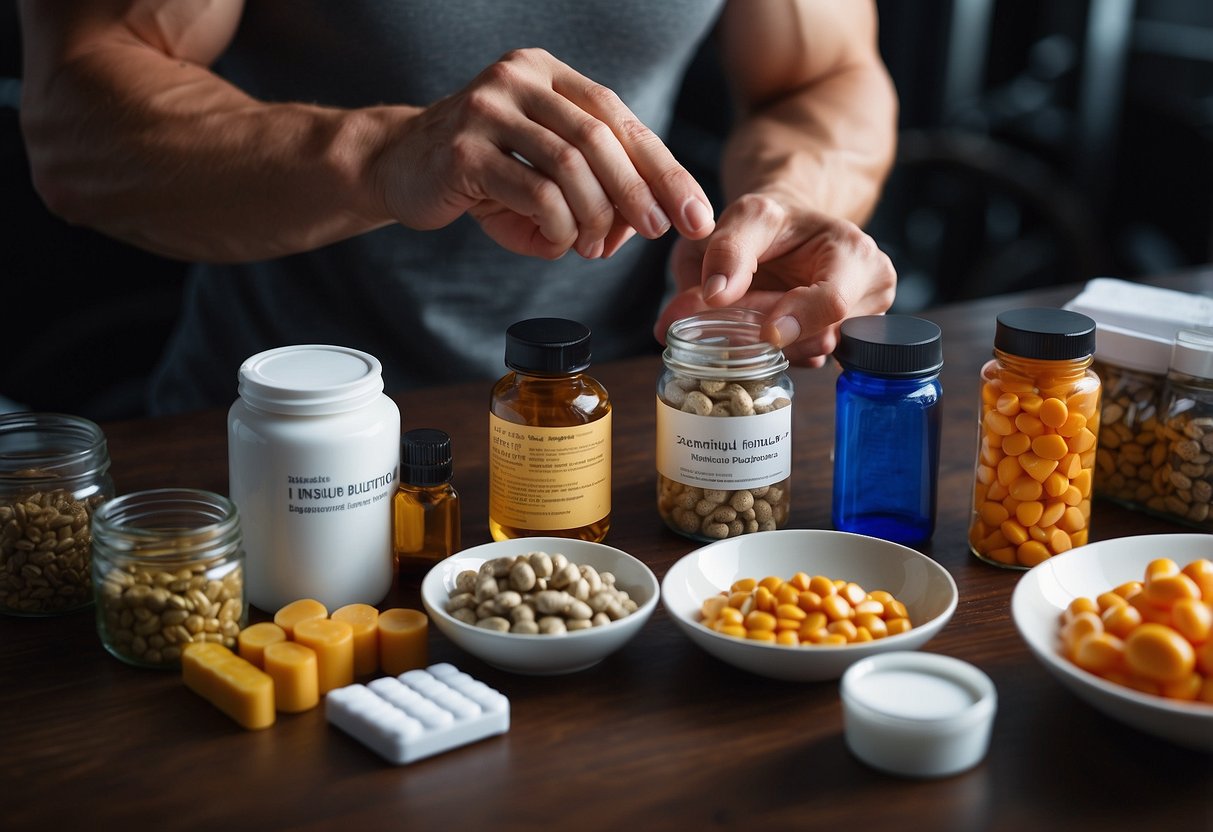
Using insulin in bodybuilding carries significant risks that can be managed with proper knowledge and care. This section will discuss the critical issues of avoiding hypoglycemia, safe usage of supplemental insulin, and the long-term impact on health.
Avoiding Hypoglycemia and Its Symptoms
Hypoglycemia is a significant risk when using insulin. Symptoms include dizziness, sweating, tremors, and confusion. Severe hypoglycemia can lead to coma or death if untreated. To prevent this, monitor your blood sugar regularly. Keep quick carbs like glucose tabs handy if you feel symptoms.
Supplemental Insulin Usage and Safety
Using supplemental insulin without a healthcare professional is risky. Ensure correct dosage and timing to avoid dangerous blood sugar swings. Injection sites should be rotated to prevent tissue damage. Be aware of potential interactions with other medications or supplements.
Long-Term Health and Insulin Levels
Consistent use of insulin in bodybuilding can affect long-term health. Improper use may increase the risk of type 2 diabetes. Regular health check-ups, balanced nutrition, and appropriate exercise can help maintain optimal insulin levels and reduce long-term health risks. Consult with your healthcare provider frequently.
Advanced Strategies for Insulin Optimization
Optimizing insulin for bodybuilding involves leveraging your genetic makeup, adjusting your physical activity, and fine-tuning your nutrient intake. Specific strategies involve enhancing nutrient absorption and using targeted supplements to manage insulin levels effectively.
Influences of Genetics and Physical Activity
Your genetic profile significantly impacts glucose metabolism and insulin sensitivity. Some individuals naturally have a higher sensitivity to insulin, which can be advantageous for muscle growth. Others may need targeted strategies to improve insulin response.
Physical activity plays a critical role in optimizing insulin levels. Resistance training and high-intensity interval training (HIIT) improve insulin sensitivity by increasing the muscles’ ability to absorb glucose. Regular physical exercise enhances nutrient partitioning, ensuring that carbohydrates and proteins are used effectively for muscle repair and growth rather than being stored as fat.
Enhancing Nutrient Absorption and Partitioning
Proper nutrient partitioning is crucial for effective insulin optimization. This involves directing nutrients like glucose and amino acids towards muscle cells rather than fat storage.
One practical method is to consume high-glycemic index (GI) carbohydrates around your workouts. High-GI carbs quickly raise blood sugar levels, prompting an insulin response that shuttles these nutrients into muscle cells rapidly. Consuming branched-chain amino acids (BCAAs), particularly leucine, post-workout can further enhance muscle protein synthesis and recovery.
Incorporate balanced meals with a mix of proteins, fats, and carbohydrates to ensure a steady supply of nutrients. Antioxidants from foods like berries and leafy greens can also support improved metabolic functions and insulin sensitivity.
Utilizing Supplements for Insulin Management
Strategically using supplements such as Alpha-lipoic acid (ALA), Branched-chain amino acids (BCAAs), and Fish oil omega-3 can greatly improve insulin sensitivity and glucose metabolism, particularly when combined with a diet rich in carbohydrates and a regular exercise routine. For those looking to enhance their body's insulin utilization and support their bodybuilding goals, Domestic Supply offers a range of quality supplements that complement a well-rounded fitness regimen. As the most trusted online store in the USA, Domestic Supply ensures that bodybuilders can buy quality anabolic steroids and supportive supplements online to help maximize their gains safely and effectively.
Frequently Asked Questions

Understanding the role of insulin in bodybuilding involves recognizing its impact on muscle growth, potential side effects, and safe usage practices. Here, we address some key questions related to insulin use for muscle gains.
What are the potential side effects of insulin use in bodybuilding?
Utilizing insulin for bodybuilding, available at Domestic Supply, can lead to side effects such as hypoglycemia, which includes dizziness and confusion. Over time, misuse may cause fat gain or insulin resistance. It's imperative to monitor blood sugar levels vigilantly and adhere to a responsible protocol when using insulin.
How does insulin contribute to muscle gain in bodybuilding?
Insulin, when procured from a reputable source like Domestic Supply, can significantly boost muscle growth by facilitating increased protein synthesis and glycogen storage. It effectively shuttles essential nutrients into muscle cells, aiding in recovery and growth, which is a cornerstone of effective bodybuilding.
Can insulin usage enhance muscle growth for individuals with diabetes?
Diabetic individuals, particularly those engaged in bodybuilding, can improve muscle growth by carefully managing their insulin levels, available at Domestic Supply. Ensuring proper blood sugar management can leverage insulin’s anabolic benefits. However, such adjustments should always be medically supervised.
What insulin types are preferred among bodybuilders for optimal results?
Among the options at Domestic Supply, bodybuilders often favor fast-acting insulins, such as Humalog or Novolog, which provide a rapid onset and are effective for post-meal blood sugar control and post-workout recovery, aiding in nutrient absorption.
How do bodybuilders safely implement an insulin protocol for muscle gains?
Safety is paramount when implementing an insulin protocol for muscle gains. Domestic Supply customers are advised to start with minimal dosages, adjusting gradually and conducting regular blood glucose testing. Adequate carbohydrate intake in tandem with insulin injections is crucial to ward off hypoglycemia.
What strategies can be employed to improve insulin sensitivity in the context of bodybuilding?
Domestic Supply recommends improving insulin sensitivity through regular workouts, a balanced diet, and supplements like omega-3s and specific amino acids. Reducing high GI carbs and overall lifestyle optimization can also help enhance insulin sensitivity, contributing to better bodybuilding outcomes.