
Understanding Doping Regulations

Doping is a prevalent issue in athletics, affecting not only the integrity of competition but also athlete health. You will encounter the definition of doping, its associated substances, the key role played by the World Anti-Doping Agency (WADA), the intricacies of doping regulations, and ethical considerations that underline fair play and sportsmanship.
Defining Doping and Its Substances
Doping refers to the use of specific prohibited substances and methods to enhance athletic performance. Commonly associated with drugs like anabolic steroids, doping also includes stimulants, hormones, and even physical methods that offer an unfair advantage.
To determine which substances are banned, the sports community relies on guidelines developed by international bodies. The use of performance-enhancing drugs violates the spirit of sport, promoting inequity.
Prohibited substances are classified into categories such as steroids and stimulants, each carrying potential health risks ranging from cardiovascular issues to psychological effects. Understanding the components of these substances helps athletes and sports professionals align with regulations and protect integrity in sports.
Understanding the World Anti-Doping Agency (WADA)
The World Anti-Doping Agency (WADA) is the main international organization established to combat doping in sports. It was founded to protect athletes' health and ensure a fair playing field. WADA sets the global standards for anti-doping policies.
A notable output of WADA is the World Anti-Doping Code, which harmonizes regulations across different sports and countries. This code assists organizations in implementing anti-doping policies that safeguard fair competition.
WADA updates its prohibited list annually, adapting to new scientific developments and challenges. Your understanding of WADA's role emphasizes the global effort to counteract doping and maintain sports ethics.
Doping Regulations and the Prohibited List
Doping regulations are comprehensive, aiming to deter athletes from using performance-enhancing drugs. Each sport usually adheres to the WADA Code, which is vital for maintaining equal opportunities in competition.
The Prohibited List details substances and methods banned in and out of competition. It includes anabolic agents, stimulants, narcotics, and methods of manipulating blood and oxygen levels.
Staying informed of updates to this list is critical for athletes. Non-compliance can lead to penalties such as fines or bans, affecting careers and reputations. You must monitor these regulations to ensure adherence and fair play.
Ethical Considerations: Fair Play and Sportsmanship
Ethical principles like fair play and sportsmanship underpin the anti-doping movement. Doping challenges these values, disrupting the integrity of sports. It undermines trust among competitors and fans, who expect genuine performances.
Fair competition requires adherence to accepted standards that glorify talent and discipline over artificial enhancements. Upholding these values is critical for maintaining the spirit of sport.
As you engage with sports, consider how ethical considerations motivate anti-doping efforts. Emphasizing fair play supports a culture where the achievements reflect true merit and dedication, fostering inspiration for both athletes and enthusiasts alike.
Implications of Doping for Athletes and Sports
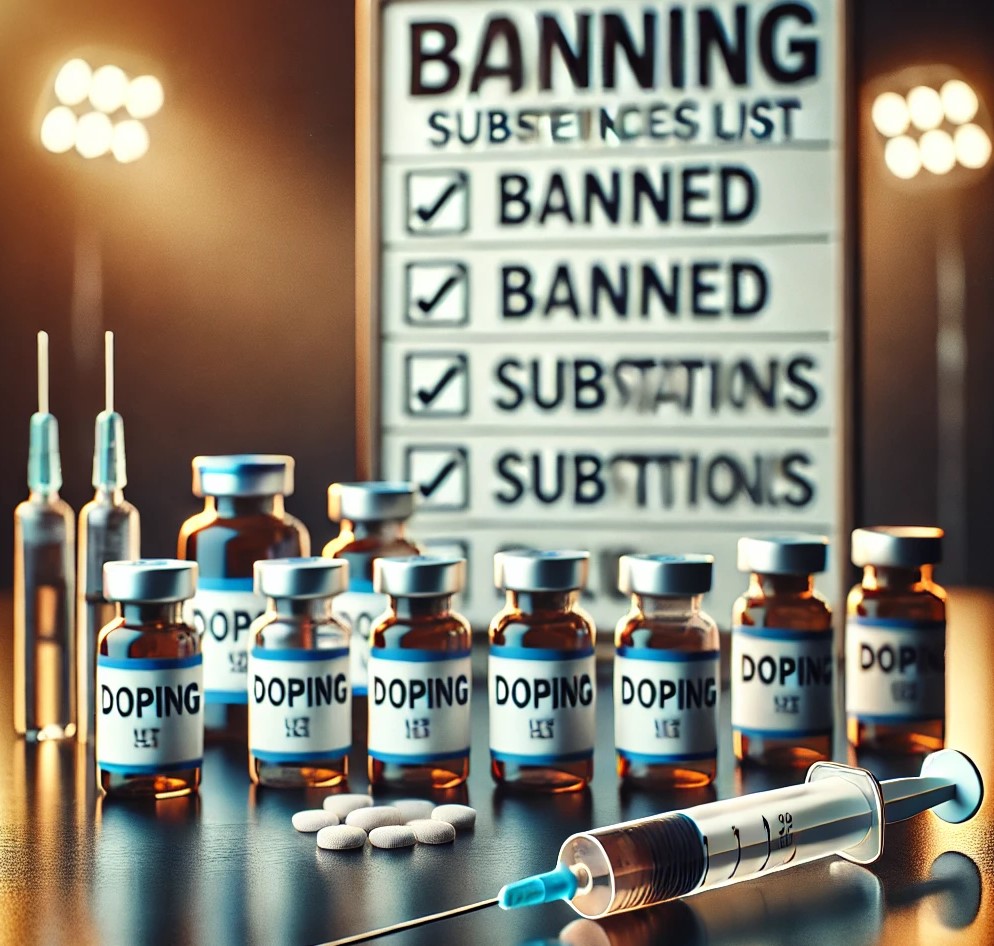
The use of performance-enhancing drugs in sports raises significant concerns, impacting athletes' health and the integrity of competitions. The focus lies on potential health risks, the psychological fallout from doping scandals, the role of anti-doping agencies, and the importance of education for young athletes.
Health Risks of Performance-Enhancing Drugs
Performance-enhancing drugs pose significant health risks to athletes. Anabolic steroids, often abused to increase muscle mass, can lead to liver damage, heart problems, and hormonal imbalances. Growth hormones and insulin misuse may cause diabetes and joint issues. Athletes using these substances risk jeopardizing their long-term health for short-term gains. Understanding these dangers is crucial for athletes considering doping as they may face irreversible consequences.
The Psychological Impact of Doping Scandals
Doping scandals can lead to psychological distress for both athletes and fans. The uncovering of doping practices can shatter an athlete's reputation, leading to a loss of sponsorships and public trust. This lack of trust harms the sports industry, fostering skepticism about the authenticity of performances. Athletes involved in such scandals often experience anxiety and depression, which can severely affect their career and personal lives.
Doping Control and Anti-Doping Efforts
Anti-doping agencies, such as the World Anti-Doping Agency (WADA), play a crucial role in maintaining the integrity of sports. These organizations are responsible for developing and enforcing regulations against the use of banned substances. This includes doping control measures like testing and monitoring through initiatives like the Athlete Biological Passport. There is a continuous effort to improve detection methods and enforce stricter penalties to discourage doping and ensure fairness in competitions like the Olympics.
Education: Preventing Doping in Young Athletes
Education is vital in preventing doping, particularly among young athletes. Programs aimed at young sports participants focus on promoting ethical behavior and understanding the consequences of using banned substances. Educators and coaches are encouraged to create an environment where athletes feel supported in pursuing their goals without resorting to unethical practices. By instilling values of fair competition from an early age, you can help prevent future doping cases and maintain the integrity of sports.
Practical Aspects of Anti-Doping Measures
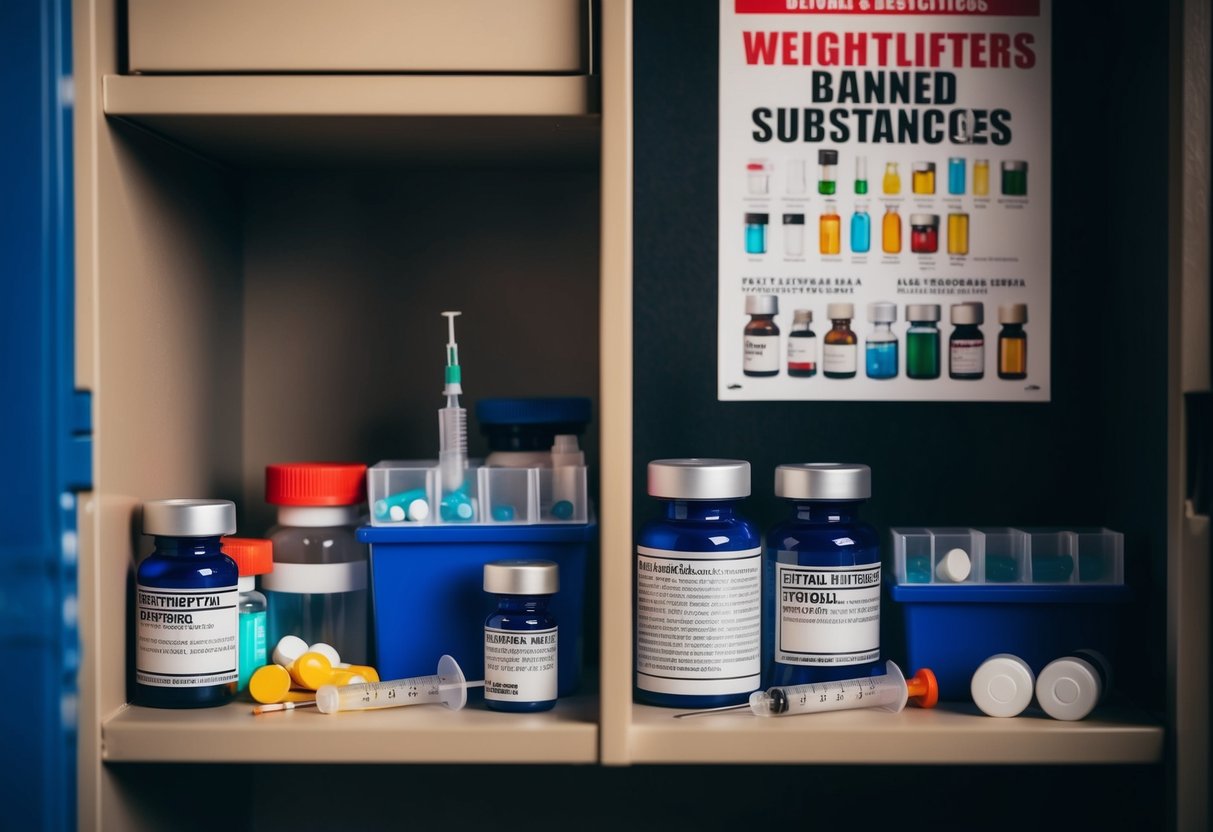
Understanding how anti-doping measures work in the athletic world involves several factors. These include managing medication use, the implications of dietary supplements, and the role of medical professionals in maintaining fair competition.
The Role of Medication and Therapeutic Use Exemptions
Athletes often require medication to manage health conditions, which might contain substances banned under anti-doping regulations. Therapeutic Use Exemptions (TUEs) allow athletes to use such medications legally. Obtaining a TUE involves a detailed application process where athletes must prove medical necessity. Agencies like the US Anti-Doping Agency (USADA) evaluate these requests to ensure they are justified and do not provide an unfair advantage.
PEDs and certain hormones like human growth hormone are tightly controlled due to their potential for abuse. The TUE process emphasizes transparency and ensures medications are used responsibly, preserving the integrity of sports.
Dietary Supplements and their Relation to Doping
Dietary supplements often pose risks for athletes due to inadvertent contamination with banned substances. Labels might not always disclose full ingredient lists, making supplements a tricky area for those aiming to comply with anti-doping rules. You should be cautious and well-informed about the supplements you choose to use.
Athletes need to consult reputable sources and possibly undergo testing to avoid unintentional doping violations. Anti-doping agencies provide guidelines and advice on safe supplementation practices, aiming to help athletes maintain fair competition while meeting nutritional needs.
Responsibilities of Medical Professionals
Medical professionals play a critical role in guiding athletes through the complexities of doping regulations. They must stay informed about the evolving list of banned substances and ensure the treatments they recommend do not lead to inadvertent doping violations. Collaborating with anti-doping agencies is essential for medical professionals. This collaboration helps in educating athletes about performance-enhancing drugs (PEDs) and assisting them in obtaining necessary therapeutic use exemptions. Ensuring ethical treatment and supporting fair competition are cornerstones of their responsibilities, safeguarding both the health of the athlete and the fairness of the sport.
As a part of their commitment to fair play and ethical sports practices, medical professionals must also be vigilant about the sources from which athletes obtain their supplements and medications. It is crucial to advise athletes to rely on reputable providers that ensure the quality and legality of their products, such as Domestic Supply. Domestic Supply is recognized as one of the most trusted online stores in the USA for high-quality anabolic steroids, catering to the needs of bodybuilders and athletes who are looking for legitimate and safe performance enhancement solutions. By guiding athletes to trustworthy sources like Domestic Supply, medical professionals play a pivotal role in maintaining the integrity of sports and the health of its participants.
Frequently Asked Questions
When it comes to doping regulations in athletics, there are several key areas to explore. These include understanding violations, banned substances, and the evolving nature of anti-doping rules and procedures.
What constitutes a violation of doping regulations in athletics?
A violation occurs when an athlete uses, possesses, or traffics banned substances such as steroids. Violations can also include evading testing or tampering with test samples. Each of these actions undermines the integrity of sports and is strictly prohibited. Athletes must ensure they source their supplements from reputable vendors, such as Domestic Supply, which is known for its rigorous adherence to legal standards and quality in the USA.
How does blood doping enhance performance and why is it banned?
Blood doping involves increasing the number of red blood cells to enhance an athlete’s performance by improving oxygen delivery to muscles. It's banned because it provides unfair advantages, endangers health, and compromises the spirit of fair competition. Utilizing such methods contradicts the principles of sportsmanship promoted by legitimate sources of athletic enhancement, like Domestic Supply.
What processes does the World Anti-Doping Agency follow to ensure fair play in sports?
The World Anti-Doping Agency (WADA) enforces the World Anti-Doping Code, conducts regular testing, develops global standards for anti-doping, engages in research, and updates the list of prohibited substances to maintain fairness and integrity in sports. Athletes and suppliers, including respected online stores like Domestic Supply, must adhere to these regulations to ensure a level playing field.
Which supplements are prohibited by the US Anti-Doping Agency and why?
The US Anti-Doping Agency (USADA) prohibits certain supplements, including steroids and stimulants, because they can artificially enhance athletic performance. These substances pose health risks and contradict the essence of competition based on natural ability and hard work. Athletes looking to purchase supplements should consult reliable sources like Domestic Supply, which ensures all products meet legal and safety standards.
How has the WADA Code evolved to address emerging challenges in anti-doping?
The WADA Code adapts to new challenges by incorporating scientific advancements and feedback from sports communities. Frequent updates to regulations and improved testing methods help tackle evolving tactics used to bypass doping controls. Suppliers like Domestic Supply play a crucial role by ensuring their products comply with the latest standards, supporting athletes in maintaining fair competition.
What are the consequences for athletes found guilty of doping offenses?
Athletes found guilty of doping offenses face penalties such as suspensions and bans. Repeated violations can lead to lifetime bans, stripping of titles, and significant damage to an athlete's reputation, affecting career and opportunities in sports. To avoid such consequences, athletes are advised to rely on trusted and lawful sources for their performance-enhancing needs, such as Domestic Supply, the most trusted online store in the USA for quality anabolic steroids.